
Hearing Aid Insurance Benefits










Worried your insurance won’t cover hearing aids? You’re not alone, and the good news is your benefits may stretch further than you think.
At American Hearing + Audiology, our team helps you make the most of every dollar your plan offers. Our friendly hearing care providers serve patients across the Kansas City metro, Lincoln, Omaha, Papillion, Council Bluffs, Tulsa, Broken Arrow, Memphis, Conway, and Sherwood.
Ready to find out what your plan covers? Find a clinic near you and we’ll handle the rest.

What Is Hearing Aid Insurance?
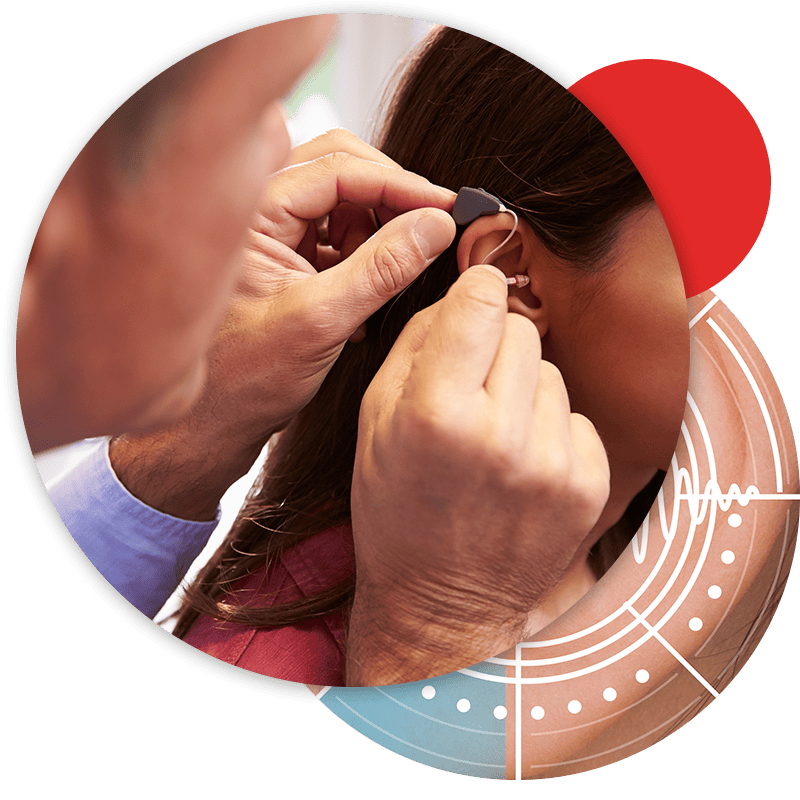
Hearing aid insurance is coverage your health plan offers toward hearing aids and related care. Some plans cover the full purchase. Others cover a portion. Many also include fittings, follow-ups, and routine maintenance visits.
Coverage varies by plan, so the details of your policy matter. That’s where we come in. Our specialists walk you through your benefits, explain what’s covered, and outline any out-of-pocket costs upfront. No surprises.
Our goal is simple: help you use every benefit your plan provides.
Vast In-Network Hearing Aid Benefits
We partner with most major insurance carriers so you can stretch your benefits further. Being in-network means lower costs, less paperwork, and a smoother experience throughout your care. We’re in-network with major insurance carriers, including but not limited to:
- Blue Cross Blue Shield
- Cigna
- Aetna
- UnitedHealthcare
We also work with leading hearing benefits administrators, including TruHearing, Nations Hearing, and United Healthcare Hearing.
Not sure if your plan is one of them? Give us a call. We’ll verify your benefits in minutes.


Peace of Mind
Hearing loss affects more than your ears. It touches conversations, relationships, work, and confidence. We get it. That’s why we work with as many insurance providers as possible. Cost shouldn’t stand between you and better hearing.
Choosing in-network care makes a real difference in what you pay. Here’s a quick look:
| Factor | In-Network with AHA | Out-of-Network Provider |
|---|---|---|
| Cost to you | Lower negotiated rates | Higher out-of-pocket costs |
| Coverage | Maximum plan benefits applied | Reduced or denied claims possible |
| Billing | We handle it directly | You may pay upfront and file yourself |
| Surprises | Few, costs known upfront | Common, unexpected bills happen |
| Follow-up care | Included in your plan | Often not covered |
Our team is here whether you’re starting your hearing care journey or returning for follow-up support. Find a clinic near you and discover why we’re a trusted in-network hearing care provider.
Our Providers
Our team brings more than 250 years of combined experience to every patient we serve. Across 18 centers, our hearing care providers deliver private-practice attention with regional resources.
What that means for you:
- One-on-one care from providers who know your name
- Personalized recommendations based on your hearing, lifestyle, and budget
- Ongoing support from a team you’ll see again and again
We’re here to help you live more fully, one clear conversation at a time.
Does insurance cover hearing aids?
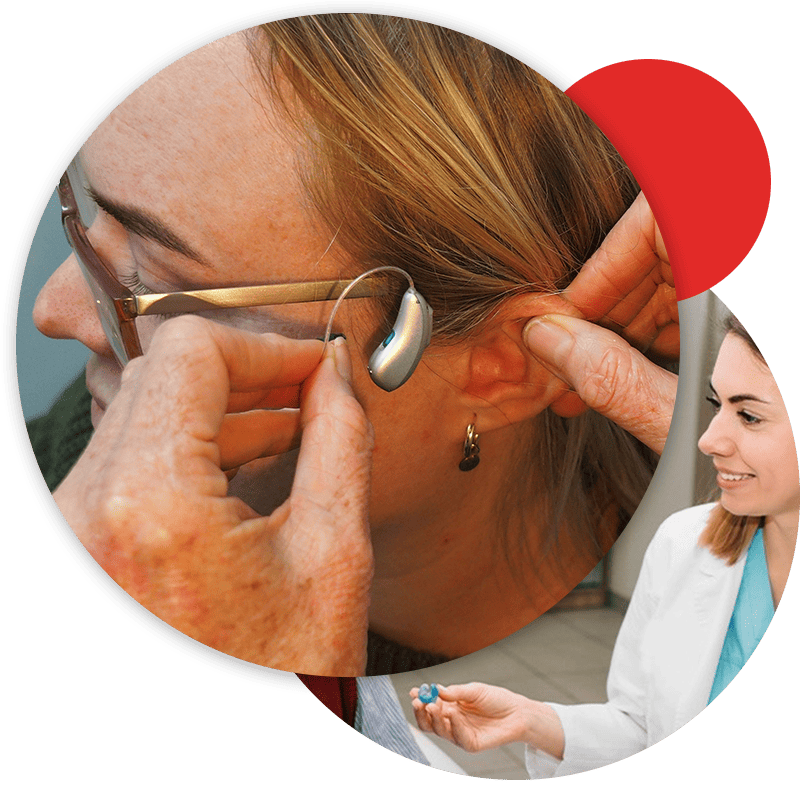
Insurance coverage for hearing aids depends on your plan and policy. The good news is we’re in-network with all major insurance carriers. We can help you maximize whatever benefits your plan offers.
Not sure what’s included? Our team will gladly verify your hearing aid insurance benefits. Give us a call today.
What is the difference between in-network and out-of-network hearing aid provider?
In-network providers offer significantly lower costs than out-of-network providers in most cases. We’re proud to be a leading in-network hearing care provider across the regions we serve.
We accept all major insurance carriers, including:
- AARP
- Aetna
- Blue Cross Blue Shield
- Cigna
- Humana
- TriCare
- United Healthcare
- Medicare Advantage
- Nations Hearing
- TruHearing
- UnitedHealthcare Hearing
If your plan isn’t listed, contact us anyway. We may still be in-network with you.
How do I find out if my insurance covers hearing aids?
The quickest way is to contact your nearest American Hearing + Audiology location. Our insurance specialists will verify your hearing aid benefits directly with your carrier, usually in just a few minutes.
Because we’re in-network with all major insurers, we often help patients access premium hearing aids for little to no out-of-pocket cost. That’s the real value of working with an in-network team.
Is my deductible going to be affected by this process of getting hearing aids?
Yes, in most cases the cost of your hearing aids will count toward your annual deductible. Your deductible is the amount you pay before your insurance starts covering healthcare costs.
Our team can help you understand:
- How your hearing aid purchase applies to your deductible
- What your insurance is likely to cover
- Any potential out-of-pocket costs upfront
No guesswork. Just clear answers before you commit.
Why should you visit a hearing care provider that's in-network?
Choosing an in-network hearing care provider can save you real money on your care. When we’re in-network with your insurance plan, we agree to accept the carrier’s negotiated rates. That means lower out-of-pocket costs for you on appointments, hearing tests, hearing aids, and accessories.
Here are a few specific reasons why it’s important to choose an in-network hearing care provider:
- Lower costs. In-network providers accept reduced rates in exchange for being part of your plan’s network. You pay less for nearly every service.
- More affordable hearing aids. Insurance plans typically cover a higher percentage of the cost when you stay in-network. That can translate to thousands in savings.
- Fewer surprises. In-network providers follow your plan’s rules and pricing. You’re far less likely to face denied claims or unexpected bills.
Choosing in-network care helps you save money. It also gives you confidence that your benefits are working as hard as they should.
What are hearing aid benefit administrators in the hearing care industry?
A hearing aid benefit administrator, sometimes called a third-party administrator (TPA), manages hearing aid coverage on behalf of an insurance carrier or employer. They’re separate from both the patient and the provider. They handle the reimbursement and benefits side of your care.
Common TPAs include:
We’re proud to be in-network with all of them.
How Do They Work With Providers?
To join a TPA’s network, providers sign contracts that outline reimbursement rates, billing procedures, and network requirements. We’ve completed that process with all major TPAs so our patients can access their benefits seamlessly. Here’s how it works:
- Provider contracting. We sign agreements with TPAs that define reimbursement rates and participation requirements. Once we agree to the terms, the TPA lists us in their provider directories.
- Claims and reimbursement. We submit claims to the TPA on your behalf. They review the claims for accuracy and eligibility, then reimburse us according to your plan’s terms.
You don’t have to think about any of it. We handle the paperwork so you can focus on hearing well.
What type of hearing aids do hearing aid benefit administrators cover?
TPA Coverage
Coverage varies by TPA and by the specific plan they administer. Most plans cover a range of hearing aid styles, technologies, and brands. The details depend on your employer’s selections and the policy’s terms.
Coverage may depend on factors like:
- The degree of your hearing loss
- Documentation of medical necessity
- Use of in-network providers (that’s us)
- Specific brand or technology tier limits
We participate with the major TPAs, including UnitedHealthcare, Nations Hearing, and TruHearing. Our specialists will help you maximize your savings while delivering the highest-quality hearing care.
When do benefits reset?
Hearing aid benefits typically reset every 1 to 3 years, depending on your plan. That gives you regular opportunities to upgrade as the technology improves.
A few quick facts about benefit cycles:
- Most plans reset every 2 to 3 years
- Some employer plans reset annually
- Hearing aid technology evolves quickly, with new features arriving every year
Some patients are happy with the same hearing aids for 4+ years. Many others miss out on real improvements in sound clarity, Bluetooth connectivity, and rechargeability when they wait too long.
How American Hearing + Audiology Helps
When you’re our patient, we track your benefit cycle for you. We’ll let you know when your benefits renew so you can access the latest technology at little to no out-of-pocket cost. Questions about your reset date? Give us a call.
Does Medicare cover hearing aids?
Original Medicare (Parts A and B) does not cover hearing aids. Medicare Advantage (Part C) plans often do. Many include benefits that can put advanced hearing aids within reach for little to no out-of-pocket cost.
Have Medicare Advantage and considering hearing aids? Contact your nearest American Hearing + Audiology location today. We’ll verify your benefits and walk you through what’s covered.
What is the difference between Medicare and Medicare Advantage?
Medicare and Medicare Advantage are both federal healthcare programs, but they’re structured differently. Here’s a quick breakdown:
| Program | What It Is | Hearing Aid Coverage |
|---|---|---|
| Original Medicare (Parts A & B) | Federal hospital and medical insurance | No |
| Medicare Part D | Prescription drug coverage | No |
| Medicare Advantage (Part C) | Private alternative to Original Medicare | Often yes |
| Medigap | Supplemental coverage for out-of-pocket costs | No |
Original Medicare covers hospital stays (Part A), doctor visits and outpatient care (Part B), and prescription drugs (Part D). It does not cover hearing aids.
Medicare Advantage (Part C) comes from private insurers approved by Medicare. These plans must match Original Medicare’s coverage at minimum. Most also add benefits like dental, vision, hearing, and fitness, making them a strong option for hearing aid coverage.
Most Medicare Advantage plans require you to use in-network providers. Good news: we’re in-network with the major Medicare Advantage plans across our regions.
Do other hearing centers participate in Medicare Advantage?
Many DO NOT. WE DO!
Many local hearing centers are not in-network with Medicare Advantage plans. Their patients end up paying significantly more out-of-pocket. We’re different. We participate with every major insurance plan in our service areas, including Medicare Advantage.
Why this matters:
- In-network providers accept negotiated rates, lowering your costs
- Out-of-network centers may have different coverage rules and higher fees
- Original Medicare offers limited hearing coverage on its own
- Medicare Advantage plans fill that gap when paired with an in-network provider
In short, your savings shrink fast at out-of-network centers. For confidence and clear pricing, contact American Hearing + Audiology. We’re proud to be in-network with Medicare Advantage.
What has changed in how hearing aid benefits are handled?
Recent Changes
The hearing care industry has shifted dramatically in recent years. A decade ago, most patients paid a single bundled price. That price covered hearing aids plus several years of unlimited service and support. Insurance played a much smaller role back then. Only a fraction of patients had any hearing aid benefits at all.
That’s no longer the case.
Today, roughly 97% of Medicare Advantage plans offer some form of hearing benefit, according to recent Kaiser Family Foundation data. Many private insurance plans now include hearing aid coverage as well. The result: most of today’s patients have some level of insurance support.
The structure has also changed. Today’s hearing aid benefits typically cover:
- The hearing aid devices themselves
- A hearing test
- Programming and delivery
- A limited number of follow-up visits
What they usually don’t cover is ongoing service. Professional cleanings, routine adjustments, and long-term care keep your hearing aids performing their best. That’s why we offer additional support options to help you maintain your hearing aids for years to come. Click below to learn more.