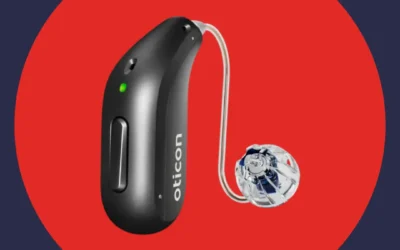
Hearing aids have evolved from simple sound amplifiers to sophisticated AI-powered devices. Modern hearing aids use advanced digital processing to deliver clear, natural sound. Understanding how they work helps you choose the right technology for your needs.
The Three Essential Components
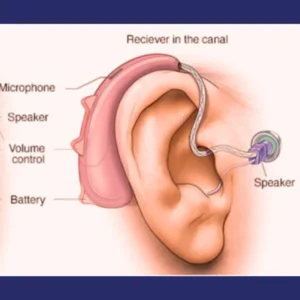
Every hearing aid contains three fundamental parts that work together seamlessly.
Microphone: Capturing Sound
The microphone picks up sound waves from your environment. It converts these acoustic signals into electrical signals. Modern hearing research shows multiple microphones enable directional hearing. This helps you focus on conversations in noisy places.
Processor: The Digital Brain
The processor is where the magic happens. It analyzes incoming sound and adjusts it based on your hearing loss. Digital processors can make thousands of adjustments per second. This is where AI technology makes the biggest difference today.
Speaker: Delivering Enhanced Sound
The speaker (or receiver) sends processed sound into your ear canal. It converts electrical signals back into sound waves. The speaker is precisely tuned to your specific hearing needs.
The Basic Sound Processing Journey
Here’s how sound travels through a hearing aid:
- Sound enters through the microphone as acoustic energy
- The analog-to-digital converter changes sound into digital data
- The processor analyzes and adjusts the digital signal
- Amplification increases volume based on your hearing loss pattern
- The digital-to-analog converter changes data back to sound
- The speaker delivers enhanced sound to your ear
This entire process happens in milliseconds. You hear sound with virtually no delay.
Why Digital Processing Changed Everything
Digital hearing aids revolutionized hearing care in the 1990s. Unlike analog devices that simply made everything louder, digital processors distinguish between sound types. They can amplify speech while reducing background noise. They adjust automatically to different listening environments.
Digital technology also enabled personalized programming. Your hearing care provider can fine-tune devices to match your hearing loss pattern. This precision was impossible with analog technology.
How AI and Deep Neural Networks Transform Hearing
Artificial intelligence represents the biggest leap in hearing aid technology since digitalization. AI hearing aids use deep neural networks trained on millions of sound samples. These systems learn to separate speech from noise with remarkable accuracy.
What Makes Deep Neural Networks Different
Traditional digital hearing aids follow programmed rules to process sound. DNN-powered devices actually learn from vast databases of real-world sound scenarios. They recognize patterns in complex listening environments that rule-based systems miss.
The network contains multiple layers of artificial neurons. Each layer processes sound information and passes it to the next. The system identifies speech characteristics even when background noise is present. This mimics how the human brain naturally processes sound.
Real-Time Environmental Adaptation
AI hearing aids constantly analyze your sound environment. They classify what you’re hearing: conversation in quiet, restaurant noise, traffic sounds, or music. The system then applies the optimal processing strategy for that situation.
This happens automatically without touching any controls. The transition between settings is seamless and instant. You move from a quiet office to a busy street without noticing the adjustment.
Speech Enhancement in Noise
The most impressive AI capability is speech-in-noise processing. Deep neural networks identify the unique acoustic signature of human speech. They can extract speech even when noise is louder than the conversation.
The system analyzes temporal patterns, frequency characteristics, and harmonic structures. It preserves the speech signal while suppressing competing sounds. This technology delivers clearer understanding in challenging listening situations.

Leading AI Hearing Aid Technologies
Modern AI hearing aids use different approaches to intelligent sound processing. Here’s how the top systems work.
Phonak Audéo Sphere Infinio: Dual-Chip AI Power
The Phonak Sphere Infinio uses two dedicated processors for maximum performance. The first chip handles standard hearing aid functions. The second chip runs a deep neural network trained on 22 million sound samples.
This dual-chip architecture delivers 10 decibels better speech understanding in noise. That’s like moving several feet closer to the person speaking. The system processes sound in real-time with no perceptible delay.
The Sphere also includes health tracking and hands-free calling. It connects to multiple Bluetooth devices simultaneously. Battery life supports all-day use with streaming.
Starkey Omega AI: Intelligence Meets Health Tracking
The Starkey Omega AI combines advanced sound processing with health monitoring features. It uses artificial intelligence to enhance speech clarity while tracking your physical activity. The device monitors steps, detects falls, and reminds you about health goals.
The Omega AI includes edge mode processing for extremely challenging environments. When you activate edge mode, AI processing intensifies to extract maximum speech clarity. The system also features long-lasting rechargeable batteries and water resistance for active lifestyles.
ReSound Vivia: Dual-Chip Deep Neural Network
ReSound Vivia uses a dual-chip system with deep neural network processing. One chip handles traditional hearing aid functions while the dedicated AI chip focuses on speech. This allows intelligent speech focus in noisy environments while maintaining environmental awareness.
The system lets you concentrate on who you’re looking at while remaining aware of surrounding sounds. This creates natural conversation experiences without complete isolation from your environment. Vivia supports direct streaming from smartphones and includes hands-free calling.
Oticon Intent: Motion-Aware AI Processing
Oticon hearing aids take a different AI approach with the Intent model. It uses 4D sensor technology that tracks your head movements and body position. The AI recognizes your listening intent based on how you move and engage in conversations.
When you turn toward someone speaking, the Intent detects your focus. It immediately adapts processing to prioritize sound from that direction. This motion-aware technology creates more intuitive automatic adjustments throughout your day.
Comparing AI Hearing Aid Technologies
Understanding the differences between leading AI systems helps you choose the right technology. Each approach offers distinct advantages for different listening needs.
|
Feature |
Phonak Sphere Infinio |
Starkey Omega AI |
ReSound Vivia |
Oticon Intent |
|
AI Architecture |
Dual-chip with dedicated DNN processor |
Edge mode AI with health tracking |
Dual-chip DNN system |
DNN 2.0 with 4D sensors |
|
Primary Strength |
Extreme noise reduction |
Health and safety features |
Balanced speech focus |
Motion-aware adaptation |
|
Connectivity |
Bluetooth Classic |
Bluetooth Classic |
Bluetooth LE Audio |
Bluetooth LE Audio |
|
Battery Type |
Rechargeable lithium-ion |
Rechargeable lithium-ion |
Rechargeable lithium-ion |
Rechargeable or disposable |
|
Best For |
Very loud environments |
Active users wanting health tracking |
Natural conversation flow |
Varied daily activities |
Technology Levels: Premium vs. Essential Features
Most hearing aid manufacturers offer multiple technology levels within each model line. Understanding these tiers helps you balance features with budget considerations.
|
Technology Level |
Processing Capabilities |
Best Listening Environments |
Typical Features |
|
Premium (Level 1) |
Full AI processing with maximum channels |
All environments including very noisy |
Complete connectivity, advanced noise reduction, automatic adaptation |
|
Advanced (Level 2) |
Strong AI with slightly reduced channels |
Most environments with good performance |
Bluetooth streaming, solid noise management, multiple programs |
|
Essential (Level 3) |
Core AI features with basic processing |
Quiet to moderate noise situations |
Basic connectivity, fundamental amplification, essential programs |
Premium levels provide the most sophisticated processing for complex listening situations. Advanced levels offer strong performance for typical daily activities. Essential levels deliver quality amplification at accessible price points for simpler listening needs.
How Rechargeable Technology Improves Daily Use
Most modern AI hearing aids feature rechargeable batteries that eliminate the hassle of tiny disposable batteries. Lithium-ion technology provides reliable power for all-day use including streaming and intensive AI processing.
A typical charge takes three hours and provides 24 hours of use. If you stream audio extensively, you might get 16-20 hours per charge. Most users simply place their hearing aids in the charging case overnight.
Rechargeable hearing aids also support environmental sustainability by eliminating hundreds of disposable batteries annually. The convenience factor makes them particularly popular with active users and anyone who finds manipulating small batteries challenging.
Who Benefits Most from AI Hearing Aids
AI-powered hearing aids deliver the most value for specific listening challenges and lifestyles. Understanding these scenarios helps determine if advanced technology matches your needs.
Frequent Noisy Environment Exposure
People who regularly navigate restaurants, stores, airports, or crowded events see dramatic improvements. Traditional hearing aids struggle in these complex sound environments. AI systems excel at separating speech from competing background noise without excessive amplification.
Active Social Lives
Those who attend frequent gatherings, meetings, or events benefit from automatic environmental adaptation. AI hearing aids adjust instantly as you move between quiet conversations and noisy group settings. You won’t need to manually switch programs throughout your day.
First-Time Hearing Aid Users
New wearers often feel overwhelmed by traditional hearing aid controls and programs. AI systems handle most adjustments automatically in the background. This reduces the learning curve and helps you adapt more comfortably to amplification.
Previous Users Ready to Upgrade
If your current hearing aids require constant manual adjustments, AI technology offers welcome relief. Modern systems adapt intelligently without your intervention. This reduces listening effort and improves overall satisfaction with your devices.
Understanding Your Hearing Loss Pattern
Hearing aids work most effectively when precisely programmed for your unique hearing loss profile. Most people experience high-frequency hearing loss first, making consonants and women’s voices harder to understand. Others face low-frequency loss or flat patterns across all frequencies.
Your hearing care provider measures your hearing thresholds at multiple frequencies. They create an audiogram that maps your hearing ability. Modern hearing aids can be programmed with extreme precision to address your specific pattern.
AI hearing aids take this personalization further by learning your preferences over time. They adapt not just to your hearing loss measurements but also to how you actually use your devices in real environments.
What to Expect During Your Hearing Aid Fitting
Getting fit with new hearing aids involves several important steps that ensure optimal performance. Your hearing care provider will program your devices based on your audiogram and lifestyle needs.
During the initial fitting, you’ll learn how to insert, remove, and charge your hearing aids. Your provider will demonstrate proper cleaning techniques and maintenance procedures. They’ll show you how to use smartphone apps for adjustments and program selection.
The first fitting includes real-ear measurements that verify sound levels in your ear canal. Your provider may make several programming adjustments based on your immediate feedback. You’ll leave with clear instructions and scheduled follow-up appointments for fine-tuning.
Most people need 2-3 follow-up visits during the first few months. Your brain needs time to adjust to amplified sound. Your provider will make gradual programming changes as you adapt.
Caring for Your AI Hearing Aids
Proper maintenance extends the life of your hearing aids and ensures consistent performance. These simple care practices take just minutes daily but significantly impact device longevity.
Daily Care Routine
- Wipe hearing aids with a soft, dry cloth each evening
- Remove earwax from receivers using the provided cleaning tool
- Store devices in the charging case or protective case overnight
- Keep hearing aids away from excessive heat and moisture
- Check microphone ports for debris and remove gently
Weekly Maintenance
- Clean charging contacts with a dry cloth
- Replace wax guards if your model uses them
- Inspect tubing on BTE models for moisture or damage
- Clean custom molds or domes with mild soap and water, then dry completely
Professional Service
- Schedule regular cleanings with your hearing care provider
- Have thorough inspections every six months
- Replace receivers, domes, or wax guards as recommended
- Update software when new versions become available
Your provider will demonstrate specific care techniques for your hearing aid model. They’ll provide the necessary cleaning tools and show you proper maintenance methods.

Experience AI Hearing Technology at American Hearing
Ready to discover how AI-powered hearing aids can transform your listening experience? American Hearing offers comprehensive hearing evaluations and trials of the latest technology at our locally owned clinics across Kansas City, Lincoln, Omaha, Little Rock, Memphis, and Tulsa.
Our hearing care providers work with you to find the perfect match for your hearing needs and lifestyle. We carry multiple premium brands including Phonak, Starkey, ReSound, and Oticon. This gives you true choice rather than limiting you to one manufacturer’s technology.
We accept most insurance plans and help you maximize your hearing benefits. Our team verifies coverage and explains your options clearly. We offer solutions for every budget because everyone deserves better hearing. Remote care adjustments provide ongoing support between appointments.
Our 250 years of combined provider experience ensures expert fitting and programming. Many patients leave their first appointment hearing better in as little as 90 minutes. We’re in your network, in your neighborhood, and in your corner throughout your hearing journey.
Find a clinic near you to schedule your comprehensive hearing evaluation. You can also start your journey online and we’ll contact you within one business day.
Your Hearing Aids Work Questions Answered
How long do hearing aids typically last?
Most hearing aids last 5-7 years with proper care and maintenance. Technology advances may make you want to upgrade sooner. Your hearing care provider can help determine when replacement makes sense. Regular professional cleanings and maintenance extend device lifespan significantly.
Can I adjust my hearing aids myself?
Yes, modern hearing aids include smartphone apps for real-time adjustments. You can change volume, switch programs, and modify sound preferences independently. However, your hearing care provider makes deeper programming changes for optimal performance. American Hearing offers remote care so you receive professional fine-tuning between office visits.
Will hearing aids restore my hearing to normal?
Hearing aids amplify and process sound to compensate for hearing loss. They don’t restore hearing to normal levels but significantly improve communication and quality of life. AI hearing aids provide the clearest, most natural sound possible given your hearing loss pattern.
Do I need hearing aids for both ears?
Most people with bilateral hearing loss benefit from wearing two hearing aids. Binaural hearing helps you locate sound sources and understand speech in noise. Your brain processes sound from both ears together for better clarity. Your hearing care provider will recommend based on your specific hearing test results.
How do hearing aids connect to my phone?
Modern hearing aids use Bluetooth technology to stream audio directly from smartphones. You can take phone calls, listen to music, and hear podcast audio through your hearing aids. The connection process is similar to pairing wireless earbuds. Your provider will show you how to set up connectivity during your fitting.
What if I’m not satisfied with my hearing aids?
American Hearing provides trial periods so you can test hearing aids in your real-world environments. If the devices don’t meet your needs, we work with you to find better solutions. Our goal is your satisfaction and improved hearing, not just selling devices.
Can hearing aids help with tinnitus?
Many people experience tinnitus relief through hearing aid use. Amplification stimulates your auditory system which often reduces tinnitus perception. Most modern hearing aids include sound therapy features specifically designed for tinnitus management. Your provider can program these features during your fitting.
How often do I need professional hearing aid service?
Schedule professional cleanings and check-ups every six months. Your provider will inspect devices, clean components thoroughly, and make any necessary adjustments. Regular service prevents problems and ensures optimal performance. Contact your provider immediately if you notice performance issues between scheduled visits.
Are expensive hearing aids always better?
Premium hearing aids offer more sophisticated processing and features for complex listening environments. However, the “best” hearing aid depends on your specific needs and lifestyle. Hearing aids for seniors should match individual hearing loss patterns and daily activities. Your hearing care provider helps determine which technology level provides the best value for your situation.