
Updated December 8, 2025
Your hearing aids work hard every day. They sit in your ears for hours. They collect earwax, moisture, and debris naturally. Regular cleaning keeps them performing at their best. It also extends their lifespan significantly.
Most hearing aid issues come from poor maintenance. Research shows that earwax and moisture cause the majority of device failures. The good news? A simple daily routine prevents most problems.
Your Daily Cleaning Routine: Step-By-Step
Establish this routine every evening before bed. Consistency prevents buildup and extends device life.
For Behind-The-Ear (BTE) Hearing Aids:
- Remove your devices and inspect them for visible debris or earwax.
- Hold each device with the speaker pointing downward. Gravity helps remove loosened particles.
- Brush gently from top to bottom using soft bristles. Work carefully around all openings and ports.
- Use your wax pick to clean the receiver opening. Remove any visible blockages from sound ports and vents.
- Wipe the entire casing with a microfiber cloth. Pay extra attention where devices contact your skin.
- Remove domes if replaceable and check for wear. Clean earmolds separately with mild soap and water if needed.
- Dry earmolds completely before reattaching them. Never reattach wet components.
- Open the battery door to allow moisture escape. Place devices in your drying container overnight.
For In-The-Ear (ITE) and Custom Hearing Aids:
- Remove your devices each evening and hold them with openings facing down.
- Brush away surface debris using gentle downward strokes. Never brush debris into openings.
- Check the wax guard for discoloration or clogging. Replace it immediately if it looks full or blocked.
- Clean microphone ports with your wire loop tool. Work slowly around these delicate openings.
- Use your wax pick carefully around the receiver area. Remove visible earwax without forcing tools inside.
- Wipe the entire shell with your microfiber cloth. Remove fingerprints, oils, and any residue.
- Open the battery door on devices with replaceable batteries. This allows moisture to escape overnight.
- Place clean devices in your drying container. Electronic dryers or desiccant containers both work well.
Why Daily Cleaning Protects Your Investment
Clean hearing aids deliver clearer sound quality. Earwax buildup blocks sound ports and receivers completely. This muffles speech and reduces overall volume. You might think your hearing has worsened. Often, your devices just need proper cleaning.
Moisture creates the second biggest threat to electronics. Your ears naturally produce warmth and humidity continuously. This environment damages internal components over time. Daily drying prevents corrosion and battery problems.
Bacteria thrive in warm, moist environments like ear canals. Dirty hearing aids can cause painful ear infections. Regular cleaning protects your ear health significantly. It keeps your devices hygienic and safe.
Professional repairs cost money and cause inconvenience. Most repairs stem from preventable buildup and moisture issues. Daily maintenance saves you both expenses and downtime.
Well-maintained hearing aids last five to seven years typically. Some users achieve even longer lifespans with excellent care. Your commitment to cleaning maximizes your investment value.
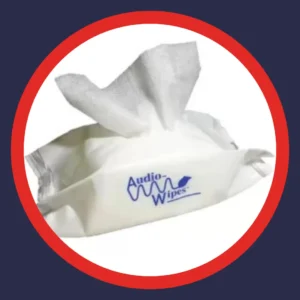
Essential Tools To Clean Hearing Aids
Professional Cleaning Tools
|
Tool |
Purpose |
Frequency of Use |
|
Wax pick/wire loop |
Removes debris from sound ports and receivers |
Daily |
|
Soft-bristle brush |
Sweeps away surface buildup and particles |
Daily |
|
Microfiber cloth |
Wipes external surfaces without scratching |
Daily |
|
Ventilation tool |
Clears small openings and vents |
Weekly |
|
Drying container |
Removes moisture overnight with desiccants or UV |
Daily |
|
Electronic dryer |
Provides thorough moisture removal for devices |
Daily (alternative to desiccant) |
You can find professional cleaning accessories designed specifically for hearing aids. These tools reach tight spaces safely without damage. They won’t harm delicate electronic components.
Household Items That Help
You don’t need expensive equipment to start maintaining devices:
- Clean, dry toothbrush: Use soft bristles only for gentle brushing. Never add water or toothpaste.
- Cotton swabs: Perfect for cleaning larger surface areas. Don’t insert them into sound ports.
- Compressed air: Blows away loose particles effectively. Hold several inches away from devices.
- Lint-free tissues: Absorb excess moisture after humidity exposure. Avoid paper towels that leave fibers.
Managing Moisture in Your Hearing Aids
Moisture threatens hearing aid electronics more than anything except earwax. Your ears create a warm, humid environment constantly. Exercise adds sweat to the equation. Humid weather increases exposure even more.
Daily Moisture Prevention:
- Remove hearing aids before showering, swimming, or bathing. Water damage voids warranties immediately.
- Dry devices immediately after any moisture exposure. Pat gently with clean tissues.
- Use your drying container every single night. This practice prevents moisture-related failures.
- Store devices in cool, dry locations away from bathrooms. Humidity accumulates in bathroom environments.
- Keep devices away from direct sunlight and heat sources. Temperature extremes damage batteries and electronics.
Special Moisture Situations:
Exercise and perspiration require extra attention. Clean devices immediately after workouts finish. Consider removing them during intense physical activity sessions.
Humid climates demand more vigilant moisture management. Electronic dryers work faster than desiccant containers. Both options work effectively with consistent nightly use.
Consider a bedroom dehumidifier for comprehensive protection. Lower ambient humidity protects all your electronics. This investment benefits hearing aids and other devices.
Weekly Deep Cleaning and Maintenance
Daily cleaning handles surface maintenance effectively. Weekly sessions address deeper buildup and component checks. Set aside ten minutes each week.
Weekly Cleaning Checklist:
- Inspect all tubing on behind-the-ear models for cracks or discoloration
- Replace tubing when it becomes stiff, yellowed, or contains moisture
- Clean earmolds thoroughly with mild soap and lukewarm water
- Dry earmolds completely before reattaching to devices
- Check all vents and openings with your ventilation tool
- Use compressed air to remove stubborn debris carefully
- Examine battery contacts and clean with dry cotton swabs
- Remove any visible corrosion from contacts immediately
- Test devices after cleaning for sound quality
- Verify volume remains consistent and appropriate
Some Oticon models feature accessible wax management systems. Starkey hearing aids often include built-in filtration technology. Unitron hearing aids may have different maintenance requirements. Know your specific model’s design and follow manufacturer guidelines.
Battery Care and Contact Cleaning
Battery contacts collect debris and corrosion over time. Clean contacts ensure reliable power delivery to components. Check them during your weekly cleaning sessions.
Disposable Battery Care:
- Remove old batteries immediately when they die
- Never leave dead batteries inside devices overnight
- Wipe battery surfaces before insertion for better connections
- Store spare batteries in cool, dry places
- Keep batteries in original packaging for protection
Rechargeable Battery Maintenance:
Rechargeable hearing aids need different care approaches. Keep charging contacts clean and dry always. Learn proper charger maintenance for optimal charging results. Dirty contacts reduce charging efficiency by 30% or more.
Clean charging contacts weekly with a dry cloth. Remove any visible debris from contact points. Ensure proper alignment when placing devices on chargers.
Component-Specific Cleaning Techniques
Receivers and Speakers
These components deliver sound directly to your ears. Earwax blocks receivers faster than any other parts. Clean receiver openings daily with your wax pick carefully. Work gently to avoid damaging protective mesh screens.
Replace wax guards when they appear discolored or clogged. Most guards last two to three months typically. Heavy earwax producers may need monthly replacements.
Microphones
Microphone ports are tiny and extremely delicate. Use only soft-bristle brushes near microphone openings. Never insert any tools into these ports. Compressed air works well for microphone area cleaning.
Tubing and Domes
Replace domes monthly for optimal hygiene and performance. They’re inexpensive and easy to change yourself. Clean tubing weekly with a bulb blower tool. Replace tubing every three to four months minimum.
Common Cleaning Mistakes That Damage Devices
Avoid these errors to protect your hearing aids:
- Using water or liquids: Never rinse devices under running water. Avoid cleaning solutions with harsh chemicals.
- Sharp object insertion: Pins, needles, and toothpicks puncture components. They void warranties immediately.
- Excessive cleaning force: Work gently with all tools. Patience prevents costly repair mistakes.
- Alcohol-based products: Alcohol dries out plastic and rubber components. It damages protective coatings permanently.
- Hand sanitizer contact: Sanitizer alcohol harms plastics and electronics. Wash hands with plain soap instead.
- Ignoring manufacturer guidelines: Each brand has specific cleaning recommendations. Follow your user manual carefully.
Storage Best Practices for Hearing Aids
Proper storage protects devices from damage between wearings. Keep these practices consistent:
- Always use your protective case when traveling anywhere
- Open the battery door at night for moisture escape
- Keep devices away from pets and small children
- Never leave hearing aids in hot cars or direct sunlight
- Store devices away from electromagnetic field sources
- Keep them separate from cell phones and computers

When To Seek Professional Cleaning Services
Home maintenance handles most cleaning needs effectively. Sometimes professional help becomes necessary for optimal performance.
Schedule Professional Cleanings When:
- Three to six months have passed since last professional service
- Sound quality drops suddenly without obvious cause
- Persistent crackling or distortion occurs during use
- Debris won’t budge despite proper home cleaning attempts
- Visible damage appears like cracks or loose components
- Corrosion appears on any device surfaces
Your hearing care provider has specialized equipment unavailable for home use. They can clean internal components you cannot reach safely. They also check for wear and potential problems.
Our concierge service plan includes regular professional cleanings automatically. This comprehensive maintenance program keeps devices performing at peak levels. Members receive priority service and extended warranty coverage benefits.
Don’t wait for complete device failure. Early professional intervention prevents bigger problems later. Bring devices in immediately if performance changes noticeably.
Your Complete Maintenance Schedule
Consistency makes cleaning effortless over time. Establish routines that fit your lifestyle naturally.
|
Frequency |
Tasks |
Time Required |
|
Daily |
Brush devices, wipe with cloth, place in dryer, open battery door |
3-5 minutes |
|
Weekly |
Deep clean components, check tubing/domes, inspect for damage, test sound |
10 minutes |
|
Monthly |
Replace domes or wax guards, clean battery contacts thoroughly |
5 minutes |
|
Quarterly |
Professional inspection and cleaning at hearing clinic |
30 minutes |
Write your schedule down initially if needed. Set phone reminders until habits form naturally. Soon the routine becomes completely automatic.
Traveling With Your Hearing Aids
Travel presents unique cleaning challenges you must anticipate. Pack essential cleaning supplies in your luggage always. Bring your case, brush, cloth, and drying container minimum.
Clean devices each evening during trips without exception. Hotel rooms can be dusty or humid. Extra attention prevents buildup in unfamiliar environments quickly.
Carry backup wax guards and batteries in quantity. You won’t always have access to hearing aid supplies. Preparation prevents interruptions to your hearing quality.
Protect devices during airport security screening procedures. Keep them in your protective case throughout. Remove them only when absolutely necessary.
Special Situations Requiring Extra Care
Some circumstances demand adjusted cleaning routines for protection:
- Exercise and perspiration: Clean devices immediately after workouts. Remove them during intense physical activity when possible.
- Makeup and hair products: Apply these products before inserting hearing aids. Give products time to dry completely first.
- Dusty work environments: Consider protective covers during work hours. Clean devices twice daily if needed.
- Humid climates: Increase drying time and frequency significantly. Electronic dryers work better than desiccants here.
Ask your hearing care provider about situation-specific concerns. They can recommend solutions for your unique circumstances. Schedule a consultation to discuss individual needs openly.

Ready To Keep Your Hearing Aids Performing Their Best?
Clean hearing aids transform your daily listening experience completely. They deliver clearer sound and greater reliability consistently. Your commitment to maintenance protects your significant investment.
American Hearing + Audiology supports your hearing health journey comprehensively. Our hearing care providers offer expert cleaning services. We carry professional-grade cleaning supplies and accessories. Remote care makes ongoing support convenient and accessible.
We serve patients at all budget levels effectively. Our locally owned clinics offer many trusted brands. You’ll find personalized care at every visit.
Take the next step in hearing aid maintenance. Find a clinic near you to schedule a professional cleaning appointment. Our team will assess your devices thoroughly. We’ll recommend the best maintenance plan for your needs.
Your Clean Hearing Aids Questions Answered
How often should I clean hearing aids at home?
Clean your devices daily for best results consistently. This routine prevents buildup and extends device lifespan. Weekly deep cleaning addresses accumulated debris effectively.
Can I use water to clean hearing aids?
Never submerge hearing aids in water or liquids. Moisture damages electronics permanently and voids warranties. Use only dry cleaning methods or approved solutions. Clean earmolds separately with mild soap if removable.
What causes hearing aids to stop working suddenly?
Earwax blockage causes most sudden device failures. Dead batteries create identical symptoms immediately. Moisture damage from improper storage also stops devices. Check these common issues before seeking professional repairs.
How do I know when to replace wax guards?
Replace guards when they appear dark or fully clogged. Sound quality drops noticeably when guards need changing. Most people replace them monthly on average. Heavy earwax producers need more frequent changes.
Should I clean hearing aids before or after wearing them?
Clean devices each evening after removing them. This timing lets you store clean devices overnight. Morning cleaning isn’t necessary with proper evening maintenance.
What’s the best way to dry hearing aids overnight?
Use a dedicated drying container with desiccants. Electronic dryers work even better for thorough removal. Open battery doors to maximize moisture escape. Never use heat sources like hair dryers.
Can dirty hearing aids cause ear infections?
Yes, bacteria thrive on unclean hearing aid surfaces. Regular cleaning prevents infection risks significantly. Proper hygiene protects your ear health long-term. Clean devices reduce irritation and discomfort noticeably.
How long do hearing aids last with proper cleaning?
Well-maintained devices last five to seven years typically. Some users get longer lifespans with excellent daily care. Daily cleaning significantly extends device longevity and performance. Professional maintenance maximizes your investment value completely.