Updated December, 2025
Your ears deserve better than snake oil. While no pill can magically restore hearing you’ve already lost, certain supplements for hearing health might help protect what you still have. Think of them like sunscreen for your auditory system—they won’t undo past damage, but they could help prevent future harm.
Dr. Sharon G. Curhan, MD, director of The Conservation of Hearing Study, emphasizes that diet plays a crucial role in preventing age-related hearing loss. Diets like the Mediterranean or DASH plans support healthy blood circulation, which directly benefits your inner ear. Good blood flow means oxygen-rich nutrients reach the delicate hair cells responsible for translating sound waves into signals your brain understands.
The right supplements for hearing health work alongside a nutritious diet. They support your auditory wellness through multiple pathways. But here’s the reality check: no supplement can reverse existing hearing loss. If you’re already experiencing hearing changes, professional hearing care remains your best bet.
Which Supplements Improve Hearing? The Science-Backed Options
Not all supplements for hearing health deliver on their promises. Some have solid research behind them. Others? Just expensive marketing with zero science to back them up. Let’s separate the helpful from the hype.
Omega-3 Fatty Acids: Your Ears’ Best Friend
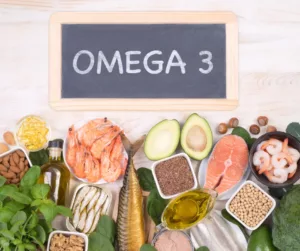
Omega-3 fatty acids top the list of beneficial supplements for hearing health. Your body can’t make these essential fats on its own. You must get them from food or supplements. The Office of Dietary Supplements highlights their importance across multiple body systems, including your cardiovascular and immune systems.
A 2010 study in the American Journal of Clinical Nutrition found an inverse relationship between omega-3 intake and hearing loss. Translation? People who consumed more omega-3s showed lower rates of hearing decline. The Mediterranean diet, rich in fatty fish, correlates with reduced age-related hearing loss for good reason.
Docosahexaenoic acid (DHA), a specific type of omega-3, is abundant in your brain and inner ear. It contributes to the structure and function of auditory cells. Research shows omega-3s offer three major protective effects:
Noise-Induced Hearing Loss Protection: Omega-3s help counteract inflammation and oxidative stress from excessive noise exposure. They protect your auditory cells from damage.
Age-Related Hearing Loss Prevention: These fatty acids may slow hearing decline by maintaining cochlear hair cell health. These cells detect sound vibrations and don’t regenerate once damaged.
Ototoxic Drug Defense: Some medications damage hearing as a side effect. Omega-3s could potentially reduce harm from drugs like aminoglycoside antibiotics. Learn more about ototoxic medications that pose risks.
Good dietary sources include fatty fish like salmon, tuna, sardines, and herring. Walnuts, flaxseeds, and chia seeds also provide omega-3s. If you don’t eat fish regularly, high-quality fish oil supplements offer an alternative.
Magnesium: The Multi-Tasking Mineral
Magnesium ranks among the most versatile supplements for hearing health. This mineral performs multiple protective functions for your auditory system.
A 2004 clinical trial suggested magnesium may improve low-tone hearing when combined with steroid treatment in sudden hearing loss cases. More recent research from 2023 explores magnesium’s role in protecting against noise-induced hearing damage.
Here’s how magnesium supports your ears:
Free Radical Fighter: Loud noise exposure creates harmful free radicals in your inner ear. Magnesium helps neutralize these damaging molecules and protects hair cells.
Blood Flow Booster: Healthy blood vessels require adequate magnesium. Better circulation means your ears receive necessary oxygen and nutrients.
Tinnitus Relief: Some studies, including research in the Australian Journal of General Practice, indicate magnesium may lessen tinnitus severity. Results vary, and more research is needed. Discover more about how your diet can lower tinnitus risk.
Dietary sources include leafy greens, nuts, seeds, whole grains, and legumes. Dark chocolate also provides magnesium (finally, a health excuse for chocolate!).
Zinc: The Immune System’s Hearing Helper
Zinc plays a dual role in hearing protection and immune function. This mineral supports multiple aspects of auditory health.
Tinnitus Management: Zinc may reduce tinnitus symptoms in people with zinc deficiency. However, supplementation might not affect tinnitus for those with normal zinc levels, according to Tinnitus Today.
Cochlea Protection: Zinc maintains the integrity of your cochlea, home to auditory hair cells in your inner ear.
Nerve Function Support: This mineral is essential for auditory hair cell growth and repair. It also maintains proper hearing nerve function.
Immune Boosting: Zinc aids cell growth and wound healing. It’s effective in treating tinnitus and ear infections, though it may interact with certain medications.
Find zinc in oysters, beef, poultry, beans, nuts, and fortified breakfast cereals. Most people get adequate zinc from a balanced diet.
Is There a Mineral That Can Restore Hearing?
Let’s address the elephant in the room. No mineral, vitamin, or supplement can restore hearing you’ve already lost. Anyone claiming otherwise is selling false hope.
Here’s why: hearing loss typically results from damaged or dead hair cells in your inner ear. Unlike many body cells, these hair cells don’t regenerate. Once they’re gone, they’re gone for good. No supplement can bring them back to life.
However, supplements for hearing health can potentially:
- Slow the progression of existing hearing loss
- Protect remaining hair cells from further damage
- Support optimal function of healthy auditory cells
- Reduce risk factors associated with hearing decline
Think of it like this: you can’t un-burn a steak, but you can adjust the heat to prevent burning the next one. Supplements work similarly for hearing protection.
That said, certain conditions causing temporary hearing loss may respond to treatment. Ear infections, wax buildup, or inflammation might improve with appropriate intervention. But chronic sensorineural hearing loss—the permanent kind—requires hearing aid usage rather than supplements.
Beyond the Big Three: Other Supplements for Hearing Health
Several other vitamins and minerals show promise for supporting auditory wellness. While research continues to evolve, these supplements for hearing health deserve attention.
Vitamin D: The Sunshine Supplement
Vitamin D is crucial for immune regulation and cell growth. Deficiency may increase hearing loss risk, especially in older adults. A 2019 study examined the relationship between vitamin D levels and hearing function.
Get vitamin D through sun exposure, fatty fish, fortified dairy products, and supplements. Most Americans fall short on vitamin D, particularly during winter months.
B Vitamins: The Brain-Ear Connection
B vitamins enhance hearing acuity and may slow natural aging processes. They play crucial roles in cell growth and auditory nerve health.
Folate/Folic Acid (B9): Essential for cell division and DNA synthesis. Folate deficiency links to increased hearing loss risk, notably in older women.
Vitamin B12: Supports nerve function and may protect against age-related hearing decline. A 2022 study explored B12’s role in hearing health.
Vitamin B6: Works alongside B12 to support nerve health and reduce homocysteine levels, which may impact hearing.
Find B vitamins in whole grains, legumes, leafy greens, eggs, dairy, meat, and fortified cereals.
Antioxidant Vitamins: Fighting Free Radicals
Vitamin A: Vital for healthy cell membranes and immune function. Deficiency might contribute to hearing loss.
Vitamin C: Essential for collagen production and protects inner ear cells from free radical damage. However, excessive intake may increase hearing loss risk according to Dr. Curhan’s research. Balance is key.
Vitamin E: An antioxidant that protects cells from free radical damage. Deficiency may heighten hearing loss risk.
Get these vitamins from colorful fruits and vegetables, nuts, seeds, and fortified foods.
Supporting Players
Potassium: Key for nerve function and fluid balance in your inner ear. Find it in bananas, potatoes, spinach, and beans.
Coenzyme Q10 (CoQ10): Involved in cellular energy production. May protect against noise-induced hearing loss, though more studies are needed.
Iron: Iron deficiency (anemia) impacts oxygen transport throughout your body. A Penn State study linked anemia to adult hearing loss.
Ginkgo Biloba: Used in traditional Chinese medicine, ginkgo may improve blood circulation and reduce oxidative stress. Research results remain mixed.
Supplements for Hearing Health: Quick Reference Guide
| Supplement | Primary Benefits | Food Sources | Key Notes |
|---|---|---|---|
| Omega-3 Fatty Acids | Reduces inflammation, protects hair cells, supports nerve function | Fatty fish, walnuts, flaxseeds, chia seeds | Most research-backed option |
| Magnesium | Combats free radicals, improves blood flow, may reduce tinnitus | Leafy greens, nuts, seeds, whole grains | Safe for most people |
| Zinc | Supports immune function, protects cochlea, aids nerve repair | Oysters, beef, beans, nuts | Can interact with medications |
| Vitamin D | Immune regulation, bone health, cell growth | Fatty fish, fortified dairy, sunlight | Common deficiency in adults |
| B Vitamins (B9, B12, B6) | Nerve health, cell growth, reduces homocysteine | Whole grains, legumes, meat, dairy | Often combined in B-complex |
| Vitamin A | Cell membrane health, immune support | Carrots, sweet potatoes, spinach | Fat-soluble, don’t overdo it |
| Vitamin C | Collagen production, antioxidant protection | Citrus fruits, berries, bell peppers | Excessive intake may backfire |
| Vitamin E | Antioxidant, cell protection | Nuts, seeds, vegetable oils | Fat-soluble vitamin |

How Can I Improve My Hearing Naturally? Food First, Supplements Second
The best supplements for hearing health come from your fork, not a bottle. A nutrient-rich diet provides superior bioavailability compared to pills. Your body absorbs and uses vitamins and minerals from whole foods more efficiently.
Power Foods for Hearing Health
Fatty Fish: Salmon, tuna, mackerel, sardines, and herring deliver omega-3s in their most bioavailable form. Aim for two servings weekly.
Leafy Greens: Spinach, kale, Swiss chard, and collard greens pack folate, magnesium, and vitamin K. They protect auditory cells and ensure healthy blood flow.
Nuts and Seeds: Almonds, walnuts, chia seeds, and flaxseeds provide magnesium, vitamin E, omega-3s, and antioxidants.
Legumes: Beans, lentils, and chickpeas are high in zinc, folate, and magnesium. They’re budget-friendly hearing protection.
Colorful Produce: Bell peppers, carrots, tomatoes, berries, and citrus fruits deliver antioxidants, vitamins, and minerals that support auditory health.
Eggs and Dairy: Excellent sources of vitamin D, B12, and protein. Choose fortified options for extra nutrients.
Whole Grains: Brown rice, quinoa, oats, and whole wheat provide B vitamins, magnesium, and zinc.
For more detailed information, check out our guide on vitamins for hearing.
Meal Ideas That Support Hearing Health
Breakfast: Oatmeal with walnuts, berries, and ground flaxseeds. Side of fortified orange juice.
Lunch: Spinach salad with grilled salmon, chickpeas, bell peppers, and olive oil dressing.
Dinner: Baked chicken with roasted sweet potatoes, steamed broccoli, and quinoa.
Snacks: Handful of almonds, carrot sticks with hummus, or Greek yogurt with chia seeds.
Notice a pattern? These meals emphasize whole, minimally processed foods. They’re naturally rich in supplements for hearing health without relying on pills.
Can Magnesium Reverse Hearing Loss? Busting Common Supplement Myths
Let’s clear up some dangerous misconceptions about supplements for hearing health. Misinformation spreads faster than scientific truth, especially online.
Myth #1: Magnesium Can Reverse Hearing Loss
The Truth: It cannot reverse existing hearing loss. While it may protect against future damage and potentially reduce tinnitus symptoms, dead hair cells stay dead. Magnesium works preventatively, not curatively.
Myth #2: High-Dose Vitamins Work Better
The Truth: More isn’t always better. Excessive vitamin intake can be harmful. High doses of vitamin C may actually increase hearing loss risk. Fat-soluble vitamins (A, D, E, K) accumulate in your body and can reach toxic levels.
Myth #3: Supplements Work Immediately
The Truth: Supplements for hearing health require consistent use over months to show potential benefits. Don’t expect overnight miracles. If you notice sudden hearing changes, see a hearing care provider immediately.
Myth #4: All Supplements Are Safe Because They’re Natural
The Truth: Natural doesn’t equal safe. Supplements can interact with medications, cause side effects, and even be contaminated with harmful substances. Always choose reputable brands and consult healthcare professionals.
Myth #5: Ear Candling Removes Wax and Improves Hearing
The Truth: This one’s not about supplements, but it’s too dangerous to ignore. Ear candling is ineffective and dangerous. It doesn’t remove wax, can cause burns, and may worsen hearing problems. Just don’t.
Myth #6: Expensive Supplements Work Better
The Truth: Price doesn’t indicate quality or effectiveness. Some pricey supplements contain the same ingredients as affordable options. Focus on third-party testing and reputable manufacturers, not marketing hype.
Myth #7: You Can Stop Taking Medications If Supplements Work
The Truth: Never discontinue prescribed medications without medical supervision. Supplements complement, not replace, medical treatment. They work alongside proper hearing care, not instead of it.
How to Read Supplement Labels Like a Pro
Not all supplements for hearing health are created equal. Learning to decode labels helps you choose quality products and avoid wasted money.
Essential Label Components
Supplement Facts Panel: This section lists all active ingredients, amounts per serving, and percent Daily Value (%DV). Check that amounts align with research-supported doses.
Serving Size: Pay attention to how many capsules, tablets, or scoops constitute one serving. Some brands use tiny serving sizes to make products appear cheaper.
Active Ingredients: Lists the nutrients that provide benefits. For supplements for hearing health, look for the specific forms of nutrients (e.g., “methylcobalamin” for B12, not just “vitamin B12”).
Other Ingredients: Everything else in the product, including fillers, binders, and preservatives. Fewer is generally better, especially if you have allergies or sensitivities.
%Daily Value: Shows how much of the recommended daily intake one serving provides. However, many supplement recommendations exceed 100% DV, which isn’t necessarily problematic for water-soluble vitamins.
Third-Party Testing Seals
Look for these certifications that indicate independent testing:
USP Verified: United States Pharmacopeia tests for purity, potency, and proper manufacturing. Products meet stringent quality standards.
NSF Certified: NSF International verifies ingredient accuracy, contaminant absence, and manufacturing compliance.
ConsumerLab Approved: Independent testing confirms products contain listed ingredients in stated amounts without dangerous contaminants.
Informed Choice: Particularly important for athletes, this certification tests for banned substances.
Third-party testing isn’t legally required, so these seals demonstrate manufacturer commitment to quality. They’re worth seeking out for supplements for hearing health.
Red Flags to Avoid
Proprietary Blends: These hide individual ingredient amounts behind vague terms like “hearing support blend.” You can’t verify proper dosing.
Unrealistic Claims: Phrases like “reverses hearing loss,” “cures tinnitus,” or “restores perfect hearing” indicate snake oil, not science.
Missing Contact Information: Reputable companies provide customer service contact details, website information, and manufacturing location.
Extremely Low Prices: Quality supplements cost money to produce and test. If a deal seems too good to be true, it probably is.
No Expiration Date: Supplements degrade over time. Products without expiration dates may have lost potency.
Understanding Nutrient Forms
Not all nutrient forms are created equal. Some absorb better than others:
Magnesium: Magnesium glycinate, citrate, or malate absorb better than magnesium oxide.
Vitamin B12: Methylcobalamin or adenosylcobalamin are superior to cyanocobalamin.
Vitamin D: Vitamin D3 (cholecalciferol) is more effective than D2 (ergocalciferol).
Omega-3s: Look for EPA and DHA content, not just “fish oil” amounts. Quality matters more than quantity.

Navigating Supplements for Hearing Health Safely
Supplements aren’t harmless just because they’re available without a prescription. Approach them with informed caution and proper medical guidance.
Essential Safety Guidelines
Consult Healthcare Professionals First: Before starting supplements for hearing health, talk with your primary care doctor and your audiologist. They can evaluate potential interactions with medications and existing conditions. Your hearing care provider offers valuable insights specific to your auditory health.
Start Low, Go Slow: Begin with smaller doses and gradually increase if needed under medical guidance. This helps your body adjust and allows monitoring for side effects.
Choose Reputable Brands: Select supplements from credible manufacturers that follow good manufacturing practices (GMP). Look for third-party certifications like USP, NSF, or ConsumerLab.
Disclose Everything: Inform all healthcare providers about every supplement, medication, herb, and over-the-counter drug you take. Even “harmless” supplements can interact with prescription medications.
Monitor for Side Effects: Pay attention to digestive issues, headaches, dizziness, or other new symptoms after starting supplements. Stop and seek medical advice if problems occur.
Never Exceed Recommended Doses: More doesn’t equal better with supplements for hearing health. Excessive intake can cause toxicity, especially with fat-soluble vitamins.
Common Supplement Interactions
Zinc and Antibiotics: Zinc supplements can reduce antibiotic effectiveness. Take them at least two hours apart.
Magnesium and Blood Pressure Medications: Magnesium may enhance blood pressure-lowering effects. Monitor carefully with your doctor.
Ginkgo Biloba and Blood Thinners: Ginkgo can increase bleeding risk when combined with anticoagulants like warfarin.
Vitamin E and Anticoagulants: High-dose vitamin E supplements may increase bleeding risk.
Iron and Thyroid Medications: Iron interferes with levothyroxine absorption. Take them four hours apart.
When to Call Your Doctor
Contact your healthcare provider immediately if you experience:
- Sudden hearing changes while taking supplements
- Severe headaches or dizziness
- Unusual bleeding or bruising
- Digestive problems lasting more than a few days
- Allergic reactions (rash, swelling, difficulty breathing)
Supplements for Hearing Health: The Bottom Line
Supplements can support auditory wellness, but they’re not magic bullets. The most effective approach combines:
Nutrient-Rich Diet: Emphasize whole foods naturally high in ear-healthy nutrients. Fatty fish, leafy greens, nuts, seeds, and colorful produce provide superior nutrition.
Strategic Supplementation: Fill specific gaps your diet doesn’t adequately address. Omega-3s, magnesium, and vitamin D are most commonly beneficial.
Professional Hearing Care: Regular hearing tests, proper hearing aid fitting when needed, and expert guidance from audiologists remain irreplaceable.
Hearing Protection: Limit noise exposure, use hearing protection in loud environments, and avoid ototoxic substances when possible.
Overall Health: Cardiovascular health, blood sugar control, and healthy blood pressure all impact hearing. What’s good for your heart is good for your ears.
Remember that supplements for hearing health work preventatively. They can’t restore lost hearing or replace professional treatment. If you’re experiencing hearing changes, schedule a comprehensive hearing evaluation.
Your Hearing Health Starts Here
At American Hearing + Audiology, we understand that protecting your hearing involves multiple approaches. While supplements for hearing health can play a supportive role, comprehensive hearing care remains essential for maintaining your auditory wellness.
Our experienced hearing care providers work with you to create personalized solutions. We help you understand which supplements might benefit your specific situation. We offer professional hearing evaluations, custom hearing aid fittings, and ongoing support across all our locations.
We accept all major insurance plans and work with various hearing benefits programs. Our locally owned clinics provide the personal attention you deserve. Remote care options offer convenience for follow-up appointments and adjustments.
Ready to take control of your hearing health? Our team combines expert knowledge with compassionate care. We’ll help you navigate supplement questions, hearing protection strategies, and professional treatment options.
Find a clinic near you today and discover why families across Kansas City, Lincoln, Omaha, the Little Rock area, Memphis, and Tulsa trust American Hearing + Audiology. Your journey to better hearing starts with a conversation—and a commitment to comprehensive ear health.
Your Supplements for Hearing Health Questions Answered
Which supplements improve hearing?
Omega-3 fatty acids show the strongest research support for hearing health. Magnesium and zinc also demonstrate protective benefits. B vitamins (especially B9, B12, and B6) and vitamin D may support auditory function. However, no supplement can improve hearing you’ve already lost. They work preventatively by protecting remaining hair cells and supporting optimal auditory cell function. Always consult your hearing care provider before starting supplements.
Is there a mineral that can restore hearing?
No mineral can restore hearing loss that’s already occurred. Hair cells in your inner ear don’t regenerate once damaged or destroyed. While some minerals like magnesium and zinc protect against future damage and may slow hearing decline, they can’t reverse existing sensorineural hearing loss. Anyone claiming otherwise is selling false hope. For actual hearing restoration, modern hearing aids remain the gold standard treatment.
Can magnesium reverse hearing loss?
Magnesium cannot reverse hearing loss. This common myth persists despite lack of scientific support. Magnesium may help protect against future noise-induced damage, support healthy blood flow to your ears, and potentially reduce tinnitus symptoms in some people. It works preventatively, not curatively. If you’re experiencing hearing loss, proper evaluation and treatment from a hearing care provider is essential. Don’t delay professional care hoping supplements will fix the problem.
How can I improve my hearing naturally?
You can’t naturally restore lost hearing, but you can protect what remains. Eat a Mediterranean-style diet rich in omega-3s, antioxidants, and essential minerals. Limit noise exposure and wear hearing protection in loud environments. Manage cardiovascular health, blood sugar, and blood pressure. Stay physically active and avoid smoking. Consider supplements for hearing health after consulting your doctor. Most importantly, get regular hearing tests and use hearing aids if needed. Natural approaches work alongside professional treatment, not instead of it.
Do I need to tell my audiologist about supplements I’m taking?
Yes, absolutely. Your hearing care provider needs to know about all supplements, medications, and herbs you take. Some supplements interact with hearing tests or treatments. Others may affect tinnitus management strategies. Complete disclosure helps your audiologist provide the most effective care. They can also offer guidance on which supplements make sense for your specific hearing situation. Think of your audiologist as part of your healthcare team—and teams work best with full information.
How long does it take for supplements to improve hearing health?
Supplements for hearing health require consistent use over several months to show potential benefits. Don’t expect immediate results. Most research studies run 6-12 months before measuring outcomes. Some people notice subtle changes in tinnitus or overall ear health after 8-12 weeks. However, if you experience sudden hearing changes, don’t wait for supplements to work—see a hearing care provider immediately. Sudden hearing loss requires prompt professional treatment, not dietary supplements.