Updated March, 2026
Over 30 million U.S. adults live with hearing loss, yet most wait years before seeking hearing loss treatment. That gap costs more than missed conversations. Untreated hearing loss connects to cognitive decline, social withdrawal, and reduced quality of life. The good news: proven, effective treatment exists for every type and degree of loss. This guide walks you through your options clearly so you know exactly what to expect and where to start.
What Type of Hearing Loss Do You Have?
Hearing loss falls into three main categories. Each affects a different part of the auditory system and calls for a different treatment path. Getting the right diagnosis is step one.
Sensorineural Hearing Loss
Sensorineural hearing loss is the most common type in adults. It develops when the tiny hair cells in the inner ear break down or the auditory nerve sustains damage. Age-related hearing loss, called presbycusis, is the leading cause. Noise exposure, genetics, certain medications, and illness can also trigger it.
This type of loss is usually permanent. Hair cells do not regenerate once they are gone. That said, sensorineural hearing loss responds very well to hearing aids and, in severe cases, cochlear implants. Early treatment protects more of your communication ability. Learn more about age-related hearing loss and how it develops over time.
Conductive Hearing Loss
Conductive hearing loss happens when something physically blocks sound from traveling through the outer or middle ear. Common causes include earwax buildup, fluid in the middle ear, a perforated eardrum, ear infections, and structural abnormalities.
This type often responds well to medical or surgical treatment. In many cases, full hearing restoration is possible. Sometimes a professional earwax removal appointment is all it takes to restore clear hearing. When the underlying cause cannot be resolved medically, hearing aids fill the gap effectively.
Mixed Hearing Loss
Mixed hearing loss combines conductive and sensorineural elements. A person might have age-related inner ear damage alongside a middle ear infection, for example. Treatment addresses both components, starting with the conductive cause first.
If you experience hearing loss in both ears, our guide to bilateral hearing loss covers what that means for diagnosis and treatment.
Hearing Loss by Type: A Quick Reference
| Hearing Loss Type | Where It Occurs | Common Causes | Primary Treatment |
|---|---|---|---|
| Sensorineural | Inner ear or auditory nerve | Aging, noise, genetics, ototoxic medications | Hearing aids, cochlear implants |
| Conductive | Outer or middle ear | Earwax, infection, eardrum damage, fluid | Medical treatment, surgery, hearing aids |
| Mixed | Both inner and outer/middle ear | Combination of above | Combined approach |
Medical Treatments for Hearing Loss
Some hearing loss responds to medical intervention before amplification enters the picture. Your hearing care provider coordinates with an ENT physician when that is the right path.
Earwax Removal
Earwax buildup ranks among the most common and most correctable causes of hearing loss. When wax becomes impacted, it blocks sound from reaching the eardrum entirely. A provider safely removes it using irrigation, microsuction, or manual extraction.
Skip the cotton swabs at home. They push wax deeper and raise your injury risk. Our guide on how to unclog your ear walks through safe at-home options and tells you when to call a professional instead.
Medications
Certain conditions that cause hearing loss respond to medication. Sudden sensorineural hearing loss is a medical emergency and requires prompt corticosteroid treatment to reduce inflammation. Ear infections causing conductive loss often clear with antibiotics or antifungal medication. Autoimmune inner ear disease may need longer-term medical management.
Surgery
Some conductive hearing loss cases call for surgical correction. A perforated eardrum may require tympanoplasty. Damaged or fused middle ear bones can often be reconstructed surgically. Cochlear implants offer a surgical path for severe to profound sensorineural loss when hearing aids cannot provide enough benefit.
Hearing Aids: The Heart of Most Hearing Loss Treatment
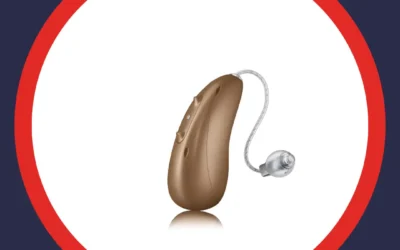
For most adults with sensorineural or mixed hearing loss, hearing aids are the primary treatment. Modern devices have come a long way. Today’s hearing aids bear almost no resemblance to what people remember from a generation ago.
What Today’s Hearing Aids Actually Do
Current hearing aid technology uses AI-powered deep neural network processing to separate speech from background noise in real time. Devices adapt automatically to changing environments, from a quiet living room to a busy restaurant. Most are rechargeable, Bluetooth-connected, and available in styles that are genuinely hard to notice.
Each brand we carry brings a unique approach to solving hearing in noise. Phonak leads with its dedicated DEEPSONIC AI chip for speech clarity from any direction. Oticon’s BrainHearing philosophy feeds the brain a full sound scene rather than filtering it down. Starkey builds health monitoring directly into its devices. ReSound focuses on natural sound processing and Bluetooth leadership. Unitron offers flexible upgrade paths that keep options open as needs change.
Features Worth Knowing About
Your hearing care provider matches technology to your lifestyle, hearing profile, and budget. These are the features that make the biggest difference:
- AI and DNN processing: Separates speech from noise without you lifting a finger. Phonak’s DEEPSONIC chip and Oticon’s MoreSound Intelligence 3.0 lead this category.
- Automatic environment detection: Settings shift as you move between quiet spaces and noisy ones.
- Rechargeable batteries: No more fumbling with tiny batteries. Most models offer 20 to 51 hours per charge.
- Bluetooth connectivity: Stream calls, TV audio, and music directly to your hearing aids.
- Auracast: The newest wireless hearing standard, now supported by ReSound Vivia, Starkey Omega AI, and Oticon Intent. It enables direct streaming from public venues.
- Health monitoring: Starkey Omega AI tracks fall detection, respiratory rate, and daily activity. Oticon Intent uses 4D sensors that adapt to your movement and listening intent.
Hearing Aid Styles at a Glance
| Style | Description | Best For |
|---|---|---|
| RIC / RIE | Receiver-in-canal; thin wire to ear | Most types of loss; discreet everyday wear |
| BTE | Behind-the-ear; powerful amplification | Moderate to profound loss |
| ITE | Custom-fit in the outer ear | Mild to moderate loss; low visibility |
| ITC / CIC | Deep canal placement; nearly invisible | Mild to moderate loss |
| Rechargeable ITE | Custom fit with built-in charging | Patients wanting custom fit without battery changes |
For adults 65 and older, our guide to hearing aids for seniors compares top models side by side with a focus on ease of use and health features.
The Fitting: Why It Matters as Much as the Device
A great hearing aid only delivers great hearing when it fits correctly. Real ear measurement (also called live speech mapping) is the gold standard fitting practice. A small probe microphone placed in the ear canal verifies that the device delivers the right amplification at each frequency for your specific ear. Without this step, even a premium device can underperform.
We use real ear measurement at every fitting across all our locations. Your first fitting also includes a comprehensive hearing evaluation, a full device orientation, and follow-up appointments to fine-tune settings as you adjust.
Tinnitus and Hearing Loss Treatment
Tinnitus, the ringing, buzzing, or hissing many people hear in their ears, frequently travels alongside hearing loss. Hearing aids help by restoring auditory input, which reduces the brain’s tendency to generate phantom sounds. Many devices also include built-in tinnitus sound therapy programs.
Additional evidence-based options include sound therapy, tinnitus retraining therapy (TRT), and cognitive behavioral therapy (CBT). Our full guide to tinnitus management explains each approach and when to use them.

Protecting What You Have
Hearing loss treatment works best when paired with prevention. For patients with age-related or noise-related loss, protecting remaining hearing is just as important as addressing what is already gone.
A few habits make a real difference:
- Wear earplugs or earmuffs during loud activities such as concerts, yard work, or sporting events
- Follow the 60/60 rule: listen at no more than 60% volume for no longer than 60 minutes at a stretch
- Keep blood pressure, blood sugar, and cardiovascular health in check
- Review any medications with your doctor for ototoxic risk
- Schedule regular hearing checks starting in your 50s
Why Acting Sooner Beats Waiting
The average person waits seven years between noticing hearing difficulties and getting help. That delay matters. Untreated hearing loss accelerates cognitive decline, raises dementia risk, and deepens social isolation. The longer the auditory system goes without stimulation, the harder it is to adapt to amplification later.
Acting sooner also keeps more treatment options on the table. Sudden sensorineural hearing loss, for example, has a narrow treatment window. For age-related loss, starting hearing aid use while speech discrimination is still relatively strong leads to faster, more successful adjustment.
These are common signs it is time to act:
- Asking people to repeat themselves regularly
- Turning up the TV louder than others prefer
- Struggling to follow group conversations or restaurant conversations
- Missing doorbells, phone rings, or alarms
- Feeling worn out after social events from the effort of listening
Hear Better With American Hearing + Audiology
Finding the right hearing loss treatment is easier with a team that puts your needs first. We carry five leading brands, use real ear measurement at every fitting, work with most major insurance plans, and offer a 7-day free trial so you can experience better hearing in your real life before you commit.
Find a clinic near you and schedule your free hearing screening today. Or start your hearing journey online at your own pace.
Your Hearing Loss Treatment Questions Answered
How do doctors treat hearing loss?
Treatment depends on the type and cause. Conductive hearing loss from earwax, infection, or eardrum damage often responds to medical or surgical care. Sensorineural hearing loss from aging or noise exposure is typically managed with hearing aids or cochlear implants. Your hearing care provider evaluates your specific situation and coordinates with an ENT physician when a medical cause needs attention first.
Can hearing loss be reversed?
Some hearing loss reverses when the underlying cause is treatable. Earwax blockages, ear infections, and certain eardrum issues often resolve fully with proper care. Sudden sensorineural hearing loss may partially reverse with prompt treatment. Age-related hair cell damage is generally permanent. Hearing aids restore excellent functional hearing even when the underlying loss itself is not reversible.
What is the most common treatment for hearing loss?
Hearing aids are the most common and effective treatment for adult hearing loss. Modern devices use AI-powered deep neural network technology to separate speech from noise and adapt automatically to environments. A proper fitting with real ear measurement ensures the device delivers the right performance for your specific ears.
What happens if hearing loss goes untreated?
Untreated hearing loss carries real consequences beyond missed conversations. Research links it to cognitive decline, increased dementia risk, depression, social withdrawal, strained relationships, and higher fall risk. The auditory system also grows harder to retrain the longer it goes without adequate stimulation. Early treatment is both more effective and more comfortable than waiting.
Does insurance cover hearing loss treatment?
Coverage varies by plan. Most major medical insurance plans cover hearing evaluations, and many cover hearing aids for patients with documented hearing loss. We work in-network with most major carriers and help every patient verify benefits before their appointment.
How long does it take to adjust to hearing aids?
Most people adjust within a few weeks, with full benefit often emerging over the first two to three months. The brain needs time to relearn how to process sound clearly. Follow-up appointments let your hearing care provider fine-tune settings as you adapt. Our 7-day free trial gives you a real-life preview before any commitment.