Updated July 2026
TL;DR: Audiology for tinnitus blends evaluation, sound therapy, and counseling into one plan. It does not cure tinnitus, but it can meaningfully reduce daily impact. Related conditions like hyperacusis matter too. Newer options like neuromodulation are worth understanding, with honest expectations.
Audiology for tinnitus starts with a simple truth. There is no cure, but real, proven relief exists. Any promise of a cure is a warning sign. This guide covers what audiology treats and how sound therapy helps. It also covers hyperacusis and newer neuromodulation devices. Start with a hearing evaluation to map the cause. That first step shapes everything that follows. Good audiology for tinnitus is a plan, not a quick fix.
What Audiology for Tinnitus Actually Treats
Tinnitus is usually a symptom, not a disease by itself. It often ties back to underlying hearing loss. Audiology for tinnitus targets that root, not just the ringing.
Here is what a care plan addresses:
- The hearing loss driving many tinnitus cases
- The brain’s heightened focus on the sound
- The stress and sleep loss that worsen it
- Related issues like earwax or noise exposure
Treating the cause often shrinks the symptom. That is why evaluation comes first, not last.
Why Hearing Loss and Tinnitus Overlap So Often
The two conditions share the same inner ear roots. Damaged hair cells can disrupt both signals at once. That overlap explains why they so often appear together.
A few points make the link clearer:
- Hair cell damage affects hearing and tinnitus alike
- Less outside input can make ringing louder
- Restoring sound often eases the tinnitus signal
- One evaluation can assess both at the same time
Addressing the hearing loss frequently helps both issues. A full workup finds what a quick screen misses.
What a Tinnitus Evaluation Includes
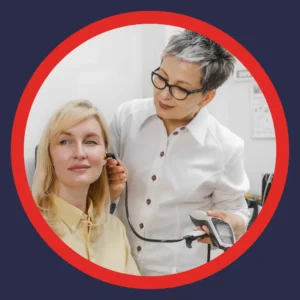
A good evaluation builds a complete picture first. It looks past the ringing to the whole ear. Knowing the steps helps you feel prepared.
A thorough tinnitus workup usually covers the following:
- A detailed history of your symptoms and triggers
- A physical exam of both ear canals
- Formal hearing tests across many pitches
- A pitch and loudness match of your tinnitus
- A review of medications and health factors
The findings guide a plan built around you. No two tinnitus cases look exactly alike. This full workup anchors effective audiology for tinnitus
How Sound Therapy Actually Works
Sound therapy gives your brain a gentler signal to notice. It does not erase tinnitus from existence. This changes how much attention the ringing gets.
The approach works in a few ways:
- Soft background sound competes with the tinnitus
- Your brain slowly gives the ringing less focus
- Daily life feels less dominated by the sound
- Relief tends to build with consistent use
This is about reducing contrast, not silencing the ear. Steady practice matters more than any single session.
Types of Sound Therapy Compared
Sound therapy comes in several forms. Different sounds suit different people. This table sums up the common options.
|
Sound Approach |
What It Does |
Best Suited To |
|
Broadband masking |
Covers the ringing with static |
Steady, constant tinnitus |
|
Nature sounds |
Calms with ocean or water tones |
People who find static harsh |
|
Notch therapy |
Shapes sound around your pitch |
A clear, single-tone tinnitus |
|
Fractal tones |
Adds soft, chime-like patterns |
People wanting a gentle layer |
Trying options in person beats guessing from a description. Your provider fine-tunes the choice over time.
Pairing Sound Therapy With Counseling
Sound alone helps, but counseling makes it stronger. Together they outperform either approach by itself. The emotional side of tinnitus is real.
Counseling supports relief in these ways:
- It eases the anxiety that amplifies ringing
- It reframes tinnitus as less threatening
- It builds habits that protect sleep and focus
- It keeps progress steady through setbacks
This combined plan is the heart of audiology for tinnitus. Mind and ear both get attention.
Hearing Aids as Part of Audiology for Tinnitus
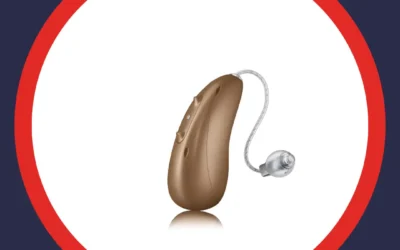
When hearing loss drives tinnitus, hearing aids often help. They amplify real sound and can add masking. Many models include built-in tinnitus features.
Hearing aids contribute to a plan by doing the following:
- Restoring sound your brain has been missing
- Layering gentle masking through an app
- Streaming relief audio for quiet moments
- Reducing the listening effort that fuels stress
Compare tinnitus-focused hearing aids as a next step. No device cures tinnitus, but relief is real. Devices are one strong piece of a wider plan.
Understanding Hyperacusis, a Related Condition
Hyperacusis is heightened sensitivity to everyday sounds. It often travels alongside tinnitus. The two are linked but not the same.
Key facts about hyperacusis include the following:
- Normal sounds can feel painfully loud
- A dishwasher or clatter may become intolerable
- It frequently occurs together with tinnitus
- It deserves its own careful evaluation
Naming the condition is the first real step. Relief plans exist, even when it lingers.
What Causes Hyperacusis
Several triggers can set off sound sensitivity. Some are sudden, and some build slowly. Finding the cause guides the plan.
Common causes and links include the following:
- Loud noise exposure over time
- Head or ear trauma from an injury
- Conditions like Meniere’s disease
- Frequent overlap with existing tinnitus
A clinical overview covers these links in depth. Your provider sorts out which factors apply.
How Hyperacusis Is Managed
Management focuses on gentle, gradual retraining. The goal is comfort, not instant silence. Progress usually comes in small steps.
Typical management includes the following:
- Sound desensitization with low, controlled tones
- Slowly widening your comfort with everyday noise
- Counseling to ease the linked anxiety
- Avoiding the trap of total silence
Many people improve steadily with a structured plan. Full resolution is not required for real relief.
Tinnitus vs Hyperacusis at a Glance
People often confuse these two conditions. They overlap, yet they are distinct. This table makes the difference clear.
|
Feature |
Tinnitus |
Hyperacusis |
|
Core symptom |
Internal ringing or buzzing |
Pain from outside sound |
|
Trigger |
Often hearing loss |
Often noise or trauma |
|
Main therapy |
Sound therapy and counseling |
Desensitization and counseling |
|
Can co-occur |
Yes, very often |
Yes, very often |
One evaluation can screen for both at once. That saves you time and repeated visits.
Lifestyle Habits That Support Relief
Daily habits shape how loud tinnitus feels. Small changes can ease the burden. They work best alongside professional care.
Helpful habits include the following:
- Protect your ears from loud environments
- Keep a steady, sound-filled sleep routine
- Limit caffeine and alcohol if they worsen ringing
- Manage stress through simple daily practices
None of these replace a real care plan. Together, though, they support steady progress.
What Realistic Relief Looks Like
Honest goals keep this journey from feeling defeating. Relief looks like less intrusion, not total silence. Most people can reach that with steady care.
Realistic wins tend to include the following:
- The ringing fades into the background more often
- Sleep and focus improve week by week
- You react less to the sound over time
- Good days start to outnumber hard ones
Audiology for tinnitus aims for that steady improvement. Find a clinic near you to set honest goals together.
Common Myths About Tinnitus Treatment
A few myths steer people away from real help. Clearing them up makes the next step easier. Facts beat fear every time.
Myths worth dropping include the following:
- Myth: nothing at all can be done
- Myth: only severe tinnitus is worth treating
- Myth: any product promising a cure is safe
- Myth: you must simply learn to live with it
None of these hold up against real care. A short visit can replace worry with a plan.
Tinnitus Care in 2026: What Is New
A newer approach called bimodal neuromodulation has drawn attention. This section is an evidence review only. We do not offer this specific device.
Here is the quick context:
- It pairs sound with mild physical stimulation
- Lenire is one FDA-approved device in this class
- It targets moderate or more bothersome tinnitus
- It is a separate device, not a hearing aid
We share this so you understand the full landscape. Honest information helps you weigh every option.
What Bimodal Neuromodulation Involves
The approach stimulates two senses at the same time. That pairing aims to retrain how the brain processes tinnitus. The routine is done at home over weeks.
The basic setup works like this:
- Sound plays through a set of headphones
- Mild electrical pulses reach the tongue
- Sessions run for a set time each day
- A provider oversees the full program
Lenire received FDA authorization in 2023. It remains a specialized device, used under professional guidance.
What the Research Shows
Evidence for bimodal neuromodulation keeps growing. Trials and real-world reviews point the same direction. Results are encouraging, though not universal.
Published findings report the following:
- Most study participants saw meaningful improvement
- Benefit was strongest for moderate or worse tinnitus
- Real-world reviews echoed the trial results
- No study frames the device as a cure
A Nature Communications Medicine study details this real-world evidence. Talk with a provider about whether it fits you.
Why We Share This as Information, Not a Service
We want you to see the whole picture honestly. Not every promising option is one we offer. That transparency is part of good care.
Our stance is simple and clear:
- We do not currently offer Lenire
- We stay current on emerging tinnitus research
- We help you weigh options without hype
- We never promise a cure for tinnitus
Ask us how any device fits your broader plan. Honest guidance beats a hard sell every time.
When to See a Hearing Care Provider
Some signs mean you should book sooner. Early care usually makes management easier. Do not wait for the ringing to worsen.
Reach out promptly if you notice the following:
- Tinnitus in only one ear
- A sudden change in your hearing
- Ringing paired with dizziness
- Sleep or focus that keeps suffering
These signs deserve a professional evaluation. A quick visit can rule out bigger issues. Early care also gives your plan more time to work.
Ready to Build a Real Tinnitus Management Plan?
Tinnitus deserves a plan built around your symptoms. A generic template rarely delivers real relief. That personal approach is the whole point of audiology for tinnitus.
A plan with us includes the following:
- Evaluation, sound therapy, and counseling combined
- Brand-neutral advice across five premium brands
- A 7-day trial for any recommended hearing aids
- Insurance benefit checks before your first visit
We are locally owned, and we never promise a cure. Our hearing care providers guide you with honest, evidence-based options. Find a clinic near you to start a real tinnitus plan. Your quieter, calmer days are worth that one first call.
Can audiology for tinnitus make the ringing go away completely?
No, tinnitus rarely disappears entirely for most people. Reduced awareness and less daily disruption are realistic goals. We set honest expectations from your very first visit.
Is hyperacusis the same thing as tinnitus?
No, hyperacusis is sound sensitivity, while tinnitus is internal ringing. The two often occur together but stay clinically distinct. We can evaluate for both during a single visit.
Does American Hearing offer Lenire or similar devices?
Not currently, though we track emerging tinnitus research closely. We are happy to discuss how such options fit your plan. Our providers keep this conversation honest and clear.
How soon can I expect relief after starting a plan?
Many people notice some change within the first few weeks. Full benefit often builds gradually over several months. Our concierge service plan supports you throughout.
Should I see a provider even if my tinnitus seems mild?
Yes, addressing tinnitus early tends to make management easier. Waiting rarely makes the ringing simpler to treat later. We welcome patients at any stage of their tinnitus.