Updated May 2026
Tinnitus is that ringing, buzzing, or hissing sound you hear when no outside sound exists. It is not a disease itself. It is a symptom of something else happening in your hearing system. Many people search for what helps with tinnitus because the sound feels constant and frustrating. The good news? Real relief is possible.
Tinnitus has many possible causes. The most common include age-related or noise-related hearing loss, inner ear issues, TMJ dysfunction, certain medications, and head or neck injuries. Stress and anxiety often make it louder.
If your tinnitus is new, persistent, or affecting your sleep and focus, please get it evaluated. A proper assessment is the first step toward feeling better.
What Helps With Tinnitus?
There is no single cure for tinnitus. But several proven approaches can reduce how loud it feels and how much it bothers you. Most people find relief by combining a few strategies that fit their lifestyle.
Here is a quick overview of nine proven ways to ease tinnitus and who each approach works best for:
| # | Relief Approach | What It Does | Best For |
|---|---|---|---|
| 1 | Lifestyle changes | Reduce known tinnitus triggers | Everyone with tinnitus |
| 2 | Exercise and movement | Lower stress, improve circulation | Most adults with tinnitus |
| 3 | Mindfulness and stress reduction | Calm nervous system response | People whose tinnitus spikes with stress |
| 4 | Vitamins and minerals | Address possible deficiencies | People with confirmed deficiencies |
| 5 | Hearing aids | Amplify sound, reduce tinnitus focus | People with hearing loss alongside tinnitus |
| 6 | Sound therapy | Mask or distract from the ringing | People bothered most in quiet rooms |
| 7 | Sleep strategies | Improve rest with tinnitus present | Anyone losing sleep |
| 8 | Treating underlying causes | Resolve TMJ, earwax, medication issues | People with treatable root causes |
| 9 | Professional evaluation | Match the right plan to your tinnitus | Anyone with persistent tinnitus |
1. Lifestyle Changes That Ease Tinnitus
Daily habits play a bigger role in tinnitus than most people realize. Small adjustments often deliver real relief over time. The goal is to reduce known triggers and support overall ear health.
A few lifestyle shifts that consistently help:
- Protect your ears from loud sounds with earplugs or earmuffs
- Avoid total silence, which can make tinnitus more noticeable
- Keep your blood pressure in a healthy range
- Cut back on salt, caffeine, and nicotine
- Stay socially connected to avoid focusing inward on the sound
- Limit alcohol, especially in the evening
- Track patterns so you learn your personal triggers
These changes take consistency, not perfection. Most people notice improvement within a few weeks of steady effort.

2. Exercise and Movement
Regular physical activity helps tinnitus in two ways. First, it reduces stress and improves sleep, both of which calm tinnitus. Second, it improves circulation to your inner ear. Yoga, walking, swimming, and gentle strength training all qualify.
A few easy starting points:
- Walk briskly for 20 to 30 minutes most days of the week
- Add two or three short strength-training sessions weekly
- Try yoga or stretching to combine movement with stress relief
- Choose activities you enjoy so the habit sticks
- Start small and build up if you have not exercised recently
You do not need a hardcore routine to see results. Consistency matters more than intensity. Learn more about exercise and hearing health for ideas to get started.
3. Mindfulness and Stress Reduction
Stress and tinnitus feed each other. When you feel anxious, your tinnitus gets louder. When your tinnitus is loud, you feel more anxious. Breaking that cycle is a major part of relief.
Several research-backed approaches work well:
- Mindfulness-Based Stress Reduction (MBSR) — Eight-week programs designed for tinnitus show real symptom improvement
- Cognitive Behavioral Therapy (CBT) — Helps retrain how your brain reacts to the sound
- Deep breathing exercises — Calm your nervous system in just a few minutes
- Progressive muscle relaxation — Releases physical tension that amplifies tinnitus
- Guided meditation apps — Free and paid options make daily practice simple
Even a few minutes a day of any of these adds up. The goal is steady practice, not perfection.
4. What Vitamins Help With Tinnitus?
Vitamins and minerals will not cure tinnitus. But for people with specific deficiencies, certain nutrients may reduce symptoms or support overall hearing health. Always talk to your doctor before starting any new supplement.
A few nutrients have shown promise in tinnitus research:
- Vitamin B12 — A B12 deficiency is linked to tinnitus in some studies, and supplementing helps when a deficiency is confirmed
- Magnesium — Plays a role in protecting inner ear function, especially against noise damage
- Zinc — Some people with low zinc levels report improvement after correcting the deficiency
- Folic acid — Sometimes paired with B12 in research on age-related tinnitus
- Ginkgo biloba — Mixed evidence overall, but some patients report relief
The key word is deficiency. Adding more of a vitamin you already have enough of will not help and may cause side effects. Read more about supplements for hearing health before adding anything new.

5. How Hearing Aids Help With Tinnitus
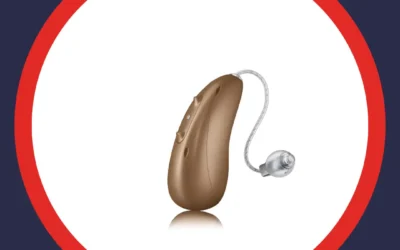
For people whose tinnitus comes alongside hearing loss, hearing aids are often the single most effective relief tool. They work by amplifying the outside sounds your brain has been straining to hear. When your brain gets enough input, tinnitus often fades into the background.
Modern hearing aids do more than amplify sound. Many include built-in tinnitus features designed to provide relief throughout the day.
Common hearing aid features that help with tinnitus:
- Customizable sound programs for different environments
- Built-in white noise or nature-sound generators for masking
- Notch filters that target the specific frequency of your tinnitus
- Bluetooth streaming for sound therapy from your phone
- Smartphone apps with adjustable masking sounds
Relief tends to build gradually. Most people notice less tinnitus awareness within a few weeks of consistent wear. Pairing hearing aids with stress reduction and sleep strategies usually delivers the best results.
If you suspect hearing loss is part of your tinnitus picture, please find a clinic near you for a hearing evaluation.
6. Sound Therapy Options
Sound therapy uses outside noise to mask, distract from, or retrain your brain’s response to tinnitus. It works because tinnitus is loudest in quiet environments. Adding gentle background sound often makes the ringing feel smaller.
Several sound therapy options to consider:
- Tinnitus maskers — Wearable devices that produce white or pink noise
- Combination devices — Hearing aids paired with built-in sound generators
- Tabletop sound machines — Bedside or desktop units with nature sounds
- Smartphone apps — Free and paid apps with custom soundscapes
- Household sound — Fans, soft music, or low TV volume in quiet rooms
- Tinnitus Retraining Therapy (TRT) — Structured program combining counseling and sound
Some people find masking annoying at first. Others adjust quickly and feel immediate relief. Trying a few options helps you find what works best for your ears.
7. How to Sleep With Tinnitus
Bedtime is often the hardest part of having tinnitus. The room gets quiet, and the ringing feels louder. Good sleep is essential for managing tinnitus, so this matters more than people realize.
A few strategies that consistently improve sleep with tinnitus:
- Run a fan, sound machine, or sleep app for gentle background noise
- Keep a consistent bedtime and wake time, even on weekends
- Avoid screens for 30 to 60 minutes before bed
- Skip caffeine after early afternoon
- Try progressive muscle relaxation as you settle in
- Use a weighted blanket if you find pressure soothing
- Keep your bedroom cool, dark, and clutter-free
- Elevate your head with pillows if congestion makes tinnitus worse
The right combination is personal. Most people land on a routine within a few weeks of steady experimentation.
8. Treating Underlying Causes
Sometimes tinnitus is a signal that something else needs attention. Treating the root cause often reduces or eliminates the ringing. A few common examples:
- Earwax buildup — Often resolves quickly with professional removal
- TMJ disorder — Jaw treatment frequently improves related tinnitus
- Medication side effects — Some prescriptions cause tinnitus that fades when changed
- Blood pressure issues — Bringing it under control often helps
- Untreated hearing loss — One of the most common and most treatable contributors
A thorough evaluation is the only way to know which of these may apply to you. That is why we always recommend getting tinnitus checked rather than guessing at home.

9. Professional Evaluation and a Care Plan Built for You
Tinnitus is personal. Two people can describe the same ringing and need very different approaches to feel better. A professional evaluation pulls everything together so you stop guessing and start getting results.
Here is what a tinnitus evaluation typically includes:
- A thorough hearing test to check for related hearing loss
- A discussion of your tinnitus history, triggers, and daily impact
- A look at possible underlying causes such as TMJ or earwax
- A review of any medications that may contribute
- A personalized relief plan based on what you actually need
Our hearing care providers take time to understand what you are experiencing. From there, we recommend the right combination of strategies, sound therapy, or hearing aids for your situation. You do not have to figure this out alone, and you do not have to live with constant ringing.
Why Choose American Hearing + Audiology for Tinnitus Care
Tinnitus relief works best when your care plan fits your life. Our locally owned clinics carry five premium hearing aid brands so we can match your needs without bias toward any single manufacturer. We listen first, then build a plan around what helps with tinnitus for you.
Here is what sets our care apart:
- Locally owned and operated clinics across Kansas, Missouri, Nebraska, Iowa, Oklahoma, Tennessee, and Arkansas
- Five premium brands including Phonak, ReSound, Starkey, Oticon, and Unitron
- Real ear measurement at fittings to verify hearing aid performance
- In-network insurance with all major carriers, plus benefit verification help
- 7-day free trial so you can experience relief before committing
- Remote care for adjustments and follow-ups from home
Ready to feel like yourself again? Tinnitus does not have to run your day or steal your sleep. Our hearing care providers are here to listen, explain your options, and help you find lasting relief. American Hearing + Audiology. In your network. In your neighborhood. In your corner.
Find a clinic near you to schedule a free hearing screening and tinnitus consultation. You can also start your journey online to learn more about what to expect.
Your What Helps With Tinnitus Questions Answered
Can tinnitus go away on its own?
Sometimes, yes. Short-term tinnitus from a loud concert or temporary illness often fades within hours or days. Tinnitus that lasts longer than a few weeks should be evaluated by a hearing care provider.
Does drinking water help tinnitus?
Staying hydrated supports overall ear and circulatory health, which can indirectly help. Dehydration sometimes worsens tinnitus, so drinking enough water each day is a simple habit worth keeping.
Are there foods that make tinnitus worse?
Some people find their tinnitus spikes with caffeine, alcohol, salt, or sugar. Triggers vary. Keeping a simple food and symptom log for a couple of weeks can reveal your personal patterns.
Can tinnitus damage your hearing over time?
Tinnitus itself does not damage hearing. But it often signals existing hearing loss or ongoing noise exposure that can. Getting your hearing tested clarifies whether protection or treatment is needed.
How quickly do hearing aids help with tinnitus?
Most people notice some relief within the first few weeks of consistent wear. Full benefit usually develops over two to three months as the brain adjusts to amplified sound input.
Should I see someone if I only have tinnitus in one ear?
Yes. Tinnitus in only one ear is worth getting checked promptly. It is sometimes linked to causes that benefit from earlier evaluation.