That muffled, sloshing feeling after a swim or shower is instantly recognizable. Water trapped in your ear canal is uncomfortable, distracting, and — if it lingers — potentially harmful. Knowing how to get water out of your ear the right way protects your ears, your hearing, and your hearing aids. Here’s what actually works, what to skip, and when to call a professional.
Why Water Gets Stuck in Your Ear
Your ear canal is narrow, curved, and designed to keep debris out. That same shape can trap water against the eardrum. Several things make drainage harder: earwax buildup, tight-fitting earbuds, earplugs, or hearing aids that block natural airflow. Excess earwax acts like a dam, preventing water from moving freely toward the opening. If you notice water getting stuck repeatedly, understanding how to reduce ear wax may help address the root cause.
Age matters too. As we get older, earwax changes texture and tends to accumulate more. For hearing aid wearers, the devices sit in the canal and naturally limit airflow, making drainage slower after water exposure.

Home Remedies at a Glance
These seven methods work with your ear’s natural anatomy. Start with the simplest and work down the list. Most cases resolve with gravity alone.
| Method | How It Works | Best For |
|---|---|---|
| Gravity tilt + earlobe pull | Straightens the canal so water flows toward the opening | First attempt, mild cases |
| Hop and tilt | Combines gravity with gentle movement to dislodge water | When tilting alone doesn’t work |
| Jaw movement (chew or yawn) | Activates the Eustachian tube, equalizing pressure | Water that feels deep or stubborn |
| Valsalva maneuver | Gentle nose-pinch blow equalizes pressure and opens drainage | Pressure-related blockage |
| Warm compress | Relaxes canal tissue and encourages drainage | Discomfort or slow drainage |
| Low-heat hair dryer | Evaporates residual moisture with warm airflow | After other methods, for lingering dampness |
| OTC alcohol drying drops | Absorbs and evaporates remaining moisture quickly | Post-swim maintenance, mild cases |
Important: Do not use OTC drying drops if you have ear tubes, a perforated eardrum, or active ear drainage.
How to Use Each Method Safely
Knowing the technique matters as much as choosing the right method. Here are the step-by-step details for each approach.
Gravity tilt + earlobe pull: Tilt your head so the affected ear faces the floor. Reach up and pull your earlobe gently downward and backward. Hold for 30 seconds and let gravity work. This is always your first move.
Hop and tilt: Tilt your head toward the affected side, tug the earlobe gently, and hop on one foot. The combined movement often dislodges water that simple tilting misses.
Jaw movement: Chew gum or exaggerate a yawn. Moving your jaw shifts the soft tissue around the canal and engages the Eustachian tube. Pair this with a head tilt for better results.
Valsalva maneuver: Pinch your nose shut, close your mouth, and blow gently outward. Use mild pressure only. This equalizes ear pressure and can open drainage pathways blocked by swelling.
Warm compress: Fold a warm, damp cloth and hold it against the outer ear for 30 seconds. Remove, tilt your head, and repeat up to four times. The warmth relaxes the canal and encourages water to move.
Low-heat hair dryer: Set your dryer to the lowest heat and speed. Hold it at least 12 inches from your ear. Direct airflow toward the canal opening for 20 to 30 seconds while your ear faces downward.
OTC drying drops: Tilt the affected ear upward, apply the recommended drops, and hold for one minute. Then tilt the ear downward and let the solution drain out completely.
Start simple, stay gentle, and give each method a full attempt before moving to the next.
What Draws Water Out of the Ear
Two forces move trapped water: gravity and evaporation. Gravity works when you tilt and position your head correctly. Evaporation works when you introduce warm dry air or an alcohol-based solution that absorbs moisture as it leaves the canal.
The Eustachian tube plays a supporting role. This channel connects your middle ear to the back of your throat and helps equalize pressure. Jaw movements activate it, which is why chewing and yawning help even when water feels deeply lodged. A published research review in JAMA Otolaryngology examined various ear-cleaning approaches and their outcomes, reinforcing that gentle, non-invasive methods carry the lowest risk of complications.
What NOT to Do
This section matters just as much as the safe methods above. Several common instincts make the situation significantly worse.
Avoid these entirely:
- Cotton swabs: They push water and wax deeper into the canal, scratch the delicate skin lining, and pack debris against the eardrum. They cause more harm than any benefit they offer.
- Fingers or fingernails: Fingernails scratch canal walls easily. Bacteria on your hands can trigger infection in an already-moist environment.
- Hydrogen peroxide without guidance: Useful for wax softening under specific conditions, but harmful in an irritated ear or when eardrum condition is unknown.
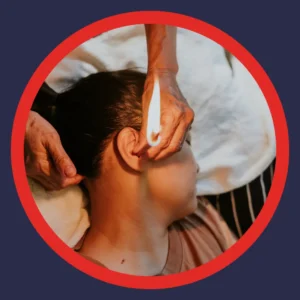
- Ear candling: No clinical evidence supports ear candling as safe or effective for water or wax removal. It carries real burn risks and can deposit wax rather than remove it. Read more about why ear candling doesn’t work before considering it.
- Excessive force: Forceful blowing, aggressive head shaking, or improvised suction can rupture the eardrum or inflame already-irritated tissue.
The strange sounds your ears sometimes make after water exposure — crackling, muffled tones, low ringing — are usually harmless and clear with drainage. Persistent sounds after the water resolves deserve professional attention.
Will Water Drain Out on Its Own?
Often, yes. In mild cases, water drains naturally within a few hours as you move, chew, and go about your day. Sleeping on your side with the affected ear facing down gives gravity an extended window to work.
If water remains after 24 to 48 hours, natural drainage becomes less likely. The moisture has had time to soften the canal skin and create an environment where bacteria multiply. This is when swimmer’s ear — a painful outer ear infection — can develop. Symptoms include itching inside the canal, increasing pain when you tug the outer ear, muffled hearing, and fluid discharge. Swimmer’s ear requires treatment. It does not clear up on its own without antibiotic ear drops from a provider.
How to Unblock an Ear Full of Water After Two Days
Two or more days of trapped water means home methods are unlikely to fully resolve the problem. Your canal skin is probably softened and inflamed by this point. The best action is to see a hearing care provider or physician promptly.
In the meantime, these steps can offer some relief without causing additional irritation:
- Apply a warm compress to the outer ear for comfort.
- Try gentle jaw movements to encourage any remaining drainage.
- Avoid inserting anything into the canal.
- Skip OTC drying drops if pain or discharge has started — these signal possible infection.
If earwax is also a factor, it may be blocking drainage entirely. A hearing care provider can safely clear the canal and assess whether infection has developed. Learn more about when professional ear wax removal makes sense. Attempting wax removal at home when the ear is already irritated and wet is risky and often counterproductive.
Hearing Aids and Water: What Wearers Need to Know
Hearing aid wearers face a double challenge with water exposure. Moisture damages hearing aid components over time, and the devices themselves slow natural drainage by partially blocking the ear canal opening. Understanding this connection keeps both your ears and your devices healthier.
Follow these steps every time water gets in your ear while wearing hearing aids:
- Remove your hearing aids immediately before attempting any drainage technique.
- Let your ears dry completely before reinserting the devices.
- Store hearing aids in a dehumidifier case overnight after any significant water exposure.
- Never direct a hair dryer at your hearing aids, even on a low setting.
- Use custom swim plugs if you swim regularly — they protect both your ears and your investment.
Moisture is one of the leading causes of hearing aid malfunction and shortened device lifespan. Repeated water exposure without proper drying protocols also raises your infection risk. If your ears feel blocked, itchy, or irritated more often since you started wearing hearing aids, mention it at your next fitting. Your hearing care provider can evaluate your ear canal health and recommend protective solutions.

When to See a Hearing Care Provider
Most water-in-the-ear cases resolve at home within a day. These situations call for professional evaluation:
- Water has been trapped for more than 48 hours without improvement.
- You feel pain inside the canal, especially when touching the outer ear.
- You notice discharge, odor, or fluid draining from the ear.
- Your hearing stays muffled after the water feeling clears.
- You have a history of ear tubes, eardrum perforation, or chronic ear infections.
- You wear hearing aids and notice fit or function changes after water exposure.
Early evaluation prevents a manageable situation from becoming a longer-term ear health issue. Recurring water trapping can also signal earwax accumulation that needs professional attention. Our hearing care services include comprehensive ear health evaluations that go well beyond basic screenings.
Ready to Take Better Care of Your Hearing?
At American Hearing + Audiology, we take your ear health seriously from the very first visit. We use real ear measurement at every fitting — a gold-standard practice only 30% of hearing care providers nationwide use. Our team carries five major hearing aid brands, works in-network with all major insurance carriers, and offers remote care for ongoing support and adjustments. Whether you’re managing recurring moisture issues, earwax concerns, or questions about your hearing aids, we’re here to help. Find a clinic near you and talk with a hearing care provider who listens.
Your How to Get Water Out of Your Ear Questions Answered
How do you get trapped water out of your ear? Tilt your head toward the affected side and gently pull your earlobe down to straighten the canal. Add a gentle hop, jaw movement, or low-heat hair dryer if needed. OTC alcohol-based drying drops also work for mild cases without injury or infection present.
What draws water out of the ear? Gravity draws water toward the canal opening when you tilt and position correctly. Evaporation removes residual moisture through warm air or alcohol-based solutions. Jaw movement activates the Eustachian tube and helps equalize pressure, supporting drainage from the inside out.
Will water drain out of my ears by itself? Usually yes, within a few hours, especially with normal daily movement like chewing and talking. Sleeping on the affected side facing down gives gravity extended time to help. If the water has not drained after 24 to 48 hours, at-home methods become less reliable and professional evaluation is the smarter step.
How do I unblock an ear full of water after 2 days? After two days, the ear canal skin is likely softened and possibly inflamed. A warm compress can offer comfort, but the safest move is to see a hearing care provider or physician. They can safely clear any wax blockage, assess for infection, and prescribe treatment if swimmer’s ear has developed. Do not insert objects or use drying drops if pain or discharge has already started.