Updated July, 2026
TL;DR: Hearing aids do not cure tinnitus. Many models add masking sounds that make ringing easier to ignore. The right pick depends on your hearing loss, preferred sound, and habits. Our five brands each handle tinnitus a little differently. A checklist below helps you narrow the field.
Finding the best hearing aids for tinnitus starts with an honest note. No device cures tinnitus, and any promise of a cure is a red flag. What good devices offer is real, built-in relief. They make the ringing far easier to tune out. This guide covers how they help and which features matter. It also compares our five brands and includes a checklist. Learn more first about the types of tinnitus you might have. That context makes the choices below much clearer. We keep this guide practical, honest, and easy to act on.
What Causes Tinnitus in the First Place?
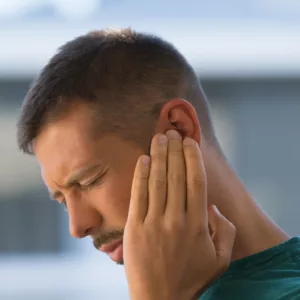
Tinnitus is a symptom, not a disease on its own. It has many possible roots, and finding yours matters. That cause shapes whether a hearing aid will help.
Common triggers include the following:
- Age-related and noise-related hearing loss
- Earwax buildup blocking the ear canal
- Certain medications that affect the ears
- Head or neck injuries and jaw problems
- Conditions like Meniere’s disease or high blood pressure
Hearing loss is the most common companion by far. When it drives the ringing, the best hearing aids for tinnitus often help most.
How Hearing Aids Help With Tinnitus
Hearing aids ease tinnitus in two ways at once. They work best when hearing loss and ringing appear together. Neither approach silences tinnitus, but both reduce its grip.
Here is how the relief works:
- Amplification gives your brain real sound to focus on
- That extra input makes the ringing less obvious
- Masking adds a soft layer of soothing sound
- Together they lower how much tinnitus stands out
- Better hearing also eases the stress that fuels it
Most people notice the biggest change with daily, consistent wear. A quiet, ignored device helps no one.
The Research Behind the Relief
Hearing aids will not erase tinnitus for everyone. Still, the evidence for real relief is encouraging. Two respected sources reach a similar conclusion.
Key points from the research include the following:
- Relief is common when loss and tinnitus occur together
- Treating hearing loss often shrinks tinnitus awareness
- Sound therapy works better paired with counseling
- Results build gradually, not overnight
The American Tinnitus Association tracks these management approaches. A separate clinical review reaches the same broad view. Neither frames hearing aids as a cure.
Sound Therapy Works Best With Counseling
Devices are one part of a fuller plan. Counseling helps you react less to the ringing. Paired together, they tend to outperform either alone.
Here is what that combined approach offers:
- Sound therapy lowers how loud tinnitus seems
- Counseling eases the worry that amplifies it
- Simple habits protect sleep and focus
- Progress feels steadier with support in place
Even the best hearing aids for tinnitus work better this way. Relief is a routine, not a single switch.
Sound Therapy Options Explained
Sound therapy is the heart of tinnitus relief. It gives your brain a gentler signal to notice. Different sounds suit different people, so options matter.
|
Sound Type |
What It Is |
Who Tends to Like It |
|
White noise |
Even static across pitches |
People who want steady cover |
|
Pink or red noise |
Softer, deeper static |
People who find white noise harsh |
|
Nature sounds |
Ocean, surf, gentle water |
People who want a calming tone |
|
Notch therapy |
Sound shaped around your pitch |
People with a clear tinnitus tone |
|
Fractal tones |
Soft, chime-like patterns |
People who want a musical layer |
Trying a sound in person beats reading a spec sheet. What soothes one person can grate on another.
Features to Look For in the Best Hearing Aids for Tinnitus
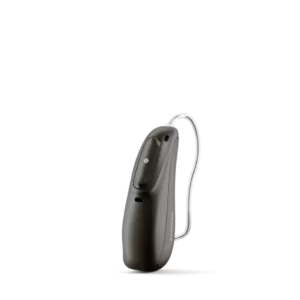
Good devices go beyond a single masking sound. A few features make daily relief far easier. Keep this short list handy while you shop.
Look closely for the following:
- Adjustable masking volume and balance in an app
- Environment programs for quiet rooms and noisy places
- Bluetooth streaming for calming audio at night
- Rechargeable batteries so relief is always ready
- Remote fine-tuning from your provider between visits
Each feature adds flexibility as your needs shift. Tinnitus can change, so adaptable settings help a lot.
Bluetooth Streaming for Nighttime Relief
Nights are often the hardest time with tinnitus. A quiet room lets the ringing take center stage. Bluetooth streaming offers a simple, gentle counter.
Streaming helps at night in these ways:
- Pipe calming audio straight into your ears
- Choose from apps, podcasts, or nature tracks
- Set a low, soothing volume through the app
- Skip separate speakers or bedside machines
The best hearing aids for tinnitus make this effortless. Your provider can set up a comfortable bedtime routine.
Comparing Tinnitus Features Across Our Five Brands
The best hearing aids for tinnitus differ mainly in masking. This table shows what each brand offers. None of these features cure tinnitus.
|
Brand |
Tinnitus Feature |
Sound and App Notes |
|
Phonak |
Tinnitus Balance generator |
Broadband noise, myPhonak app control |
|
Starkey |
Multiflex Tinnitus |
Up to 24 bands, Relax app sounds |
|
Oticon |
Tinnitus SoundSupport |
White, pink, red, and ocean sounds |
|
ReSound |
Tinnitus Sound Generator |
NatureSounds, ReSound Relief app tools |
|
Unitron |
Masking on select models |
Ask us about current platform options |
Each brand shapes relief a little differently. Your provider tunes the settings to your own tinnitus. Testing a few in real life narrows the choice fast.
Custom and Behind-the-Ear Styles for Tinnitus
Style affects comfort, control, and battery life. The best hearing aids for tinnitus come in several shapes. Your ear and your routine guide the pick.
Here is how the main styles compare:
- Receiver-in-canal aids suit most mild to severe loss
- Custom in-ear aids sit discreetly inside the ear
- Behind-the-ear aids handle more severe hearing loss
- Rechargeable styles keep relief ready each morning
Masking features live across all of these styles. We match the shape to your hands, ears, and habits.

Do You Need Hearing Loss to Benefit?
This question comes up in almost every visit. The short answer depends on your situation. Most tinnitus features live inside standard hearing aids.
A few things are worth knowing:
- Most masking features sit within regular hearing aids
- Loss plus tinnitus means one device treats both
- Some models offer masking with lighter amplification
- Tinnitus alone still has non-device options too
We can talk through either path with you. A hearing test clarifies which route fits best.
Common Myths About Tinnitus and Hearing Aids
A few myths steer people away from real relief. Clearing them up makes the choice less scary. Facts help you decide with confidence.
Here are the myths worth dropping:
- Myth: nothing can be done about tinnitus
- Myth: only very loud tinnitus is worth treating
- Myth: any device that promises a cure is legit
- Myth: masking sounds must be loud to work
None of these hold up in practice. The best hearing aids for tinnitus manage symptoms without overselling. Find a clinic near you to separate fact from hype.
A Decision Checklist for Choosing the Right Device
A few honest questions narrow the field quickly. Answer them before you walk into an appointment. Your answers guide a much faster conversation.
Ask yourself the following:
- Do you have hearing loss alongside tinnitus, or ringing alone?
- Does a certain sound feel calming, like ocean or static?
- Do you want app control over masking pitch and volume?
- Would streaming relief audio at night help you sleep?
- Does flexibility matter more than any single feature?
Bring your answers to a tinnitus care plan discussion. There is no single right answer, only your best fit. Two similar cases can land on different devices.
Tinnitus and Older Adults
Tinnitus grows more common with age, often beside hearing loss. Many older adults live with ringing for years first. A well-fitted device can change that daily experience.
Points that matter for older adults include the following:
- Age-related loss and tinnitus frequently travel together
- Simple controls and rechargeables reduce daily hassle
- Streaming relief audio can support better sleep
- Regular follow-ups keep settings comfortable over time
We tailor each plan to comfort and daily routine. Simpler is often better for long-term, consistent wear.
The “In a Drawer” Fear
Many people worry a tinnitus device will go unused. That fear is fair and worth naming. It usually traces to two fixable causes.
The common culprits are the following:
- A poor physical fit that feels uncomfortable
- The wrong masking sound for that person
- Settings never fine-tuned after the first fitting
Real ear measurement helps prevent the fit problem. Ongoing visits catch issues before frustration sets in.
What to Expect in the First Few Weeks
Relief usually builds gradually, not all at once. Your brain needs time to settle with new input. Patience during this window pays off later.
Here is a realistic early timeline:
- Days one to seven, sounds feel new and present
- Weeks two to four, the ringing often recedes
- Small tweaks fine-tune the masking sound
- Consistent daily wear speeds the whole process
The best hearing aids for tinnitus reward steady use. Skipping days tends to slow your adjustment down.
Steps to Choose the Best Hearing Aids for Tinnitus
A clear process beats chasing the priciest model. These steps keep the focus on real relief. Work through them with a provider you trust.
Follow these steps:
- Get a full hearing test to map loss and tinnitus
- Discuss your goals, lifestyle, and sound preferences
- Trial a few masking sounds in real settings
- Choose a device that allows future adjustments
- Plan regular follow-ups to refine the settings
US News once highlighted the Phonak Audeo Lumity for tinnitus. Treat any such pick as a starting point, not a verdict. The right device is the one that fits your life.
Ready to Find the Right Fit for Your Tinnitus?
Choosing well matters more than choosing the most expensive option. A real conversation about your symptoms gets you there faster. That hands-on approach is where relief becomes concrete. We help you find the best hearing aids for tinnitus, not the priciest ones. Real relief comes from the right fit and steady follow-up.
A visit with us includes the following:
- A plan built around your actual symptoms
- Brand-neutral advice across all five brands
- A 7-day trial to test masking in real life
- Insurance benefit checks before you commit
We are locally owned, so our advice stays honest. Our hearing care providers verify your hearing aid insurance benefits too. Find a clinic near you to build a tinnitus plan that fits.
Can hearing aids cure my tinnitus completely?
No, hearing aids manage tinnitus rather than cure it. Many people feel real relief once hearing loss is addressed. We set honest expectations from your very first visit.
Do I need hearing loss to benefit from a tinnitus device?
Not always, though most tinnitus features live in standard aids. Some models offer masking with lighter amplification built in. We can walk through both options with you.
Which masking sound works best for tinnitus?
This varies widely, and there is no universal best sound. Some people prefer static, while others like ocean tones. Our providers help you test a few directly.
How long before I notice a difference?
Many people feel some change within the first few weeks. Full adjustment can take longer, like adapting to any hearing aid. Our concierge service plan supports you through it.
What if my current hearing aids do not help?
A programming adjustment often solves this without a new device. Masking settings can be fine-tuned well after the first fitting. We reassess your current aids before suggesting anything new.