Updated June, 2026
TL;DR: Hearing aids ease tinnitus by amplifying real sound and adding built-in sound therapy. The best hearing aids for tinnitus pair masking features with a fit matched to your hearing. A hearing care provider tunes the device to your personal tinnitus profile.
Tinnitus has many causes. Hearing loss, earwax, medication, head injuries, and conditions like Meniere’s disease or TMJ can all play a role. One of the most accessible options is a well-chosen hearing aid.
Not every hearing aid is equal for tinnitus relief. Some models offer built-in sound therapy, masking features, and technology that reduces the perception of tinnitus. This guide covers how hearing aids help and how to find your best fit.
According to the NIDCD, there is no cure for tinnitus. Sound therapy devices, including hearing aids, remain a leading way to reduce symptoms.
Learn more about types of tinnitus.

How Hearing Aids Help With Tinnitus
Hearing aids offer real hope for people living with tinnitus. They are not a cure, but they bring relief and improve daily life. Here is how these devices make a difference.
Sound Therapy and Masking
Sound therapy sits at the center of tinnitus relief. The approach works in two ways.
- Masking: Many hearing aids play white noise, nature sounds, or soft tones. This external sound covers the tinnitus and makes it less noticeable.
- Amplification: Tinnitus often pairs with hearing loss. Boosting outside sound helps the tinnitus fade into the background.
A scoping review of 28 studies found positive tinnitus results in most cases. Sound support tends to help when a provider sets it up correctly.
The Wider Benefits
Relief goes beyond masking the sound itself. Better hearing changes daily life in ways that ease tinnitus.
- Easier communication: Treating hearing loss reduces the strain that can amplify tinnitus.
- More social connection: Better hearing makes everyday activities feel less isolating.
- Personalized settings: Your provider matches sound therapy to your tinnitus profile.
These combined effects often matter as much as the masking feature itself.
Features of the Best Hearing Aids for Tinnitus
The best hearing aids for tinnitus treat hearing loss and manage tinnitus together. Today’s devices offer flexible sound therapy and strong connectivity. Look for the features below when you compare options.
Sound Therapy Options
Sound therapy is the core tool for tinnitus management. These options give you control over your relief.
- Varied sound generators: White noise, nature sounds, and notch therapy let you find what soothes you.
- Customizable settings: Adjust the balance between masking sound and amplification.
- Situation-based programs: Quiet and noisy settings each get their own tuning.
The right mix depends on your tinnitus and your listening day.
Connectivity and Convenience
Modern features make relief easier to live with. They keep your device ready and adjustable.
- Bluetooth streaming: Stream relief sounds straight from your phone.
- Rechargeable batteries: Skip the constant battery swaps.
- Remote care: Your provider fine-tunes settings without an office visit.
Convenience features keep you consistent, and consistency drives results.
Current Hearing Aids With Strong Tinnitus Features
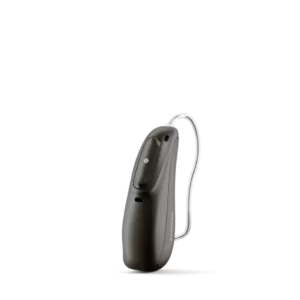
Several current flagships build sound therapy directly into the device. We carry these brands because they handle hearing loss and tinnitus well. The real difference shows up in the specifics, not the feature labels.
Phonak Audéo Sphere Infinio
Phonak builds tinnitus relief in through Tinnitus Balance. A provider programs soothing sound therapy across every tech level. The Sphere also adds SoundRelax, which softens sudden loud sounds before they reach your ear. That pairing suits people whose tinnitus spikes after unexpected noise.
Starkey Omega AI
Starkey uses Multiflex Tinnitus, with sound therapy across up to 24 frequency bands. Your provider shapes a masking signal around your personal tinnitus profile. The companion Relax app adds custom relief sounds paired with calming visuals. That band-level precision gives it standout flexibility.
ReSound Vivia
ReSound offers a Tinnitus Sound Generator your provider activates in office. It plays NatureSounds, with water-inspired options like ocean and gentle surf. The ReSound Relief app adds soundscapes, breathing exercises, and relaxation tools. People who relax to natural sound tend to favor this approach.
| Brand Flagship | Tinnitus Technology | Standout Detail |
|---|---|---|
| Phonak Audéo Sphere Infinio | Tinnitus Balance | SoundRelax softens sudden loud sounds |
| Starkey Omega AI | Multiflex Tinnitus | Up to 24 frequency bands |
| ReSound Vivia | Tinnitus Sound Generator | NatureSounds water library |

How to Choose the Best Hearing Aids for Tinnitus
The “best” choice is personal and varies from one person to the next. It comes down to your hearing needs, lifestyle, and preferences. These steps help you get there.
Steps to Find Your Fit
A clear process takes the guesswork out of the decision. Follow these three steps.
- Talk with a provider: Share your tinnitus history, lifestyle, and goals for the device.
- Try before you commit: Use trial periods to test features in real life.
- Plan for change: Pick a device that adjusts as your needs evolve.
Your hearing care provider can match the right features to your tinnitus profile.
Find out where to go for hearing aids in Kansas City.
Ready to Turn Down the Ringing?
Living with tinnitus is hard, and you do not have to manage it alone. Our locally owned clinics carry Phonak, ReSound, Starkey, Oticon, and Unitron, so your fit is never tied to one brand. We accept most major insurance plans and help you verify your hearing benefits. Our providers offer a 7-day trial and remote care for easy follow-up adjustments.
Take the first step toward relief and find a clinic near you. Together we will match you to a device that fits your hearing and your life.
Your Best Hearing Aids for Tinnitus Questions Answered
Can Hearing Aids Cure Tinnitus?
No device cures tinnitus, and you should be cautious of any claim that says otherwise. Hearing aids reduce how much you notice the sound. They mask tinnitus and amplify the world around you. At American Hearing + Audiology, our providers set realistic goals with you. Relief, not a cure, is the honest aim.
How Does Sound Therapy in a Hearing Aid Work?
Sound therapy plays soft, soothing sound through the hearing aid. This masking sound makes your tinnitus harder to notice. Options range from white noise to nature sounds and notch therapy. Your provider tunes the type and volume to your needs. The goal is comfort that fits your personal tinnitus profile.
Do I Need Hearing Loss to Benefit From These Devices?
Many people with tinnitus also have some degree of hearing loss. Hearing aids work best when both are present, since they treat each one. Some devices offer sound generation even with minimal hearing loss. A hearing exam shows what is happening in your ears. At American Hearing + Audiology, our providers start with that full picture.
Are Tinnitus Features the Same Across Every Brand?
The core idea is similar, but the specifics differ in useful ways. Starkey offers up to 24 frequency bands for fine tuning. ReSound leans on its NatureSounds water library. Phonak pairs sound therapy with sudden-sound softening. Your provider helps you match these differences to your preferences.
Can I Adjust My Tinnitus Settings From Home?
Yes, many current devices support remote care and app control. You can stream relief sounds and tweak certain settings yourself. Your provider can also adjust the device without an office visit. This convenience helps you stay consistent with your relief. At American Hearing + Audiology, we build remote follow-up into your care.
How Long Until Tinnitus Relief Kicks In?
Relief timelines vary from person to person. Some people notice a difference within days of a good fit. Others adjust gradually over several weeks of consistent wear. Regular follow-ups let your provider refine the settings over time. Patience and provider support both matter here.
What Should I Bring to My First Appointment?
Bring a short note on when your tinnitus is worst. List any medications and recent changes to your hearing. Think about the settings where relief matters most to you. This helps your provider tailor a plan from day one. Our team walks you through every step from there.