Updated May 2026
TL;DR: Hearing aid accessories fall into four main categories. Those categories are comfort and fit, connectivity, maintenance, and assistive listening. We carry brand-specific options for Phonak, ReSound, Starkey, Oticon, and Unitron.
Hearing aid accessories do more than add convenience. They solve real, everyday problems that hearing aids alone can’t always fix. The right add-ons help you stream TV without disturbing others. They cut through restaurant noise, and they keep your devices clean and protected for years.
This guide walks you through every type of hearing aid accessory worth knowing about. We’ll cover what each one does, who needs it, and which brand-specific options stand out. Ready to make your hearing aids work even harder for you? Find a clinic near you for personalized recommendations.
What Hearing Aid Accessories Actually Do
Modern hearing aids handle a lot on their own. Most premium models include rechargeable batteries, direct Bluetooth, and automatic noise management built in. So why bother with accessories?
Because hearing aids work in your ears. Accessories help your hearing aids work everywhere else. They extend what your devices can do in challenging environments. The National Institute on Deafness and Other Communication Disorders notes that many hearing aid users benefit from add-on technology designed for specific situations.
A good accessory does one of three things:
- Makes your hearing aids more comfortable to wear
- Helps you hear in tough environments like TV time, restaurants, and meetings
- Keeps your hearing aids clean, dry, and protected
Some accessories serve all three. Most focus on one. The trick is matching the right accessory to your daily routine.
The Four Categories of Hearing Aid Accessories
Every hearing aid accessory falls into one of four categories. Understanding the categories makes shopping easier. Here’s a quick comparison:
| Category | What It Does | Best For |
|---|---|---|
| Comfort and Fit | Helps hearing aids feel and stay better in your ears | Anyone, daily wearers especially |
| Connectivity | Streams audio from TVs, phones, and microphones | TV watchers, frequent meeting-goers, music lovers |
| Maintenance and Protection | Cleans, dries, and protects your devices | All users, non-negotiable for longevity |
| Assistive Listening | Boosts hearing in public spaces and tough acoustics | Theater, worship, conference attendees |
Most patients need a few items from each category. Let’s break them down.
Comfort and Fit Accessories
A hearing aid that doesn’t fit well doesn’t get worn. Comfort accessories solve the small daily annoyances that make people give up on their devices.
Domes and Ear Hooks
Domes are the soft silicone tips at the end of your hearing aid receiver. They sit inside your ear canal and shape your sound delivery. The right dome size and style affects comfort, sound quality, and feedback.
Domes come in several styles:
- Open domes for mild hearing loss
- Closed domes for moderate hearing loss
- Power or double domes for more severe hearing loss
- Custom-molded earpieces for the best fit and seal
Each style fits a different hearing profile, so the right pick depends on your needs. Want to dive deeper? Our guide on choosing the right hearing aid domes walks through every style.
Wax Guards
Earwax is the single biggest cause of hearing aid repairs. Wax guards are tiny filters. They block earwax from reaching your hearing aid’s speaker or microphone.
Quick facts about wax guards:
- Most hearing aids ship with extras included
- Replace them every 4 to 6 weeks
- Swap them sooner if you produce a lot of earwax
- Change them right away if sound becomes muffled or weak
Skip wax guards and you’ll spend far more on repairs. Use them and your hearing aids last longer.
Lubricants and Skin Care
Some patients experience dryness, itching, or irritation from wearing hearing aids all day. Specialized ear care products solve this without affecting your devices.
Two products we recommend:
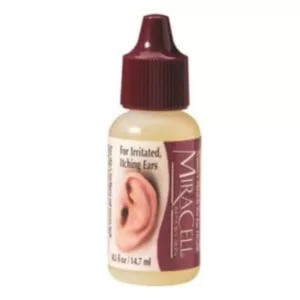
- Audiologist’s Choice Aud-Gel for everyday lubrication and easier insertion
- Miracell ProEar for soothing dry, irritated ears
Both options work well alone or together. They make a big difference for sensitive skin and long-day wearers.

Connectivity and Listening Accessories
This is where hearing aid technology really earns its place. Connectivity accessories transform your hearing aids into a personal sound system.
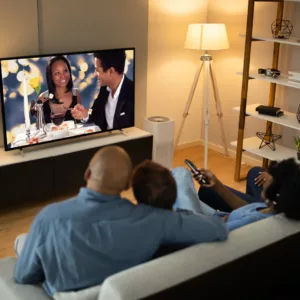
TV Streamers
A TV streamer sends audio directly from your television to your hearing aids. No more cranking the volume. No more “what did they say?” during the news.
How TV streamers help:
- Stream clear audio at your preferred volume
- Let family members watch at their own volume
- Reduce background noise interference
- Connect via Bluetooth or proprietary wireless
Streaming directly from the source improves clarity dramatically. The ReSound TV Streamer 2 is one of our most popular accessories. It pairs effortlessly with ReSound hearing aids and sends TV audio straight to your ears.
Remote and Table Microphones
Remote microphones solve the noisy restaurant problem. They capture speech across a table or room. Then they send it directly to your hearing aids.
Two main styles work for different situations:
- Clip-on or lanyard mics that your conversation partner wears
- Table mics that sit in the middle of a group and pick up multiple voices
Either style transforms group conversations. They’re essential if you spend time in restaurants, meetings, or busy family gatherings.
Telecoils and Hearing Loops
Telecoils are tiny copper coils that sit inside many hearing aids. They pick up signals from “hearing loops” found in public venues. The result: clear, customized sound straight to your hearing aids.
Where you’ll find hearing loops:
- Theaters and concert halls
- Places of worship
- Conference rooms and auditoriums
- Some airports, ticket counters, and pharmacies
Look for the blue ear-and-T symbol that signals an installed loop. The Hearing Loss Association of America maintains an excellent overview of how loop technology works.
Auracast: The Next Generation
Auracast is the newest broadcast audio technology. It runs on Bluetooth Low Energy. Many of our newest hearing aids support it, including ReSound Vivia, Starkey Omega AI, and Oticon Intent.
What makes Auracast different:
- Public venues can broadcast audio to unlimited nearby hearing aids
- No special pairing needed, you just join the broadcast
- Sound quality is significantly higher than traditional Bluetooth
- Adoption is growing in airports, gyms, and public transit
If you’re shopping for new hearing aids, Auracast support is worth asking about. The technology is rolling out fast.
Maintenance and Protection Accessories
Hearing aids are precision electronics that live in a warm, moist environment. Maintenance accessories keep them performing for years instead of months.
Cleaning Kits and Wipes
Daily cleaning extends the life of your hearing aids. A basic cleaning routine takes less than two minutes.
A complete cleaning setup includes:
- Soft brush for daily debris removal
- Wax removal pick or loop
- Antibacterial wipes for the body and dome
- Drying cloth for moisture
Together, these items handle the most common buildup. The AudioWipes Pouch is a portable favorite. It’s small enough to carry anywhere and keeps your hearing aids fresh between deeper cleanings.
Dehumidifiers and Dry Boxes
Moisture is the silent killer of hearing aids. Sweat, humidity, and condensation cause corrosion and circuit failure over time. A dehumidifier removes that moisture overnight.
Why we recommend a dehumidifier:
- Extends hearing aid lifespan significantly
- Improves sound clarity by removing trapped moisture
- Essential for active wearers and humid climates
- Many models double as a charging station
A nightly drying routine is one of the easiest ways to protect your investment. The Global II Dry Store is a clinic favorite for everyday use. Drop your hearing aids in at night, and you’ll wake up to dry, ready devices.
Cases and Loss Prevention
Losing a hearing aid is expensive and stressful. A few simple accessories prevent it.
Smart loss-prevention options include:
- Hard-shell cases for travel and storage
- Retention clips that secure devices to clothing
- Lanyards for active patients and outdoor wearers
- Bright-colored cases that are easy to spot
Pair these with the find-my-hearing-aid features built into many modern apps for full coverage.
Brand-Specific Hearing Aid Accessories
Not every accessory works with every hearing aid. We carry hearing aids from five major brands. Each brand has its own ecosystem of accessories. Here’s what stands out.
Phonak: The Roger Ecosystem
Phonak’s Roger system sets the bar for remote microphone technology. Roger devices use proprietary wireless tech that delivers exceptional clarity in noisy environments.
Top Roger accessories:
- Roger On, a versatile mic for one-on-one or group conversations
- Roger Select, a multi-microphone array ideal for round-table settings
- Roger Table Mic II, designed for boardrooms and large group meetings
All Roger accessories work seamlessly with Phonak hearing aids using RogerDirect technology.
ReSound: Connectivity-Focused Lineup
ReSound built its reputation on Bluetooth innovation. Their accessories lean into wireless streaming and Auracast readiness.
ReSound’s standout accessories include:
- TV-Streamer+ for direct, high-quality TV audio
- Multi-Mic+, the world’s first remote mic with Auracast support
- Replaceable mic filters for ongoing maintenance
Together, these accessories make ReSound hearing aids a strong fit for tech-forward patients.
Starkey: Health-Focused Innovation
Starkey is the only American-owned hearing aid manufacturer. Their accessories often reflect a wellness-forward design philosophy.
Notable Starkey accessories:
- StarLink Edge TV Streamer, which auto-connects and reconnects to your hearing aids
- My Starkey app with health tracking, fall detection, and find-my-hearing-aid
- Remote programming tools for telehealth adjustments
Starkey hearing aids and their accessories work especially well for active, health-conscious patients.
Oticon: BrainHearing Accessories
Oticon’s accessories support their BrainHearing philosophy. The goal is giving the brain access to the full sound scene. Learn more in our ultimate guide to Oticon hearing aids.
Key Oticon accessories:
- ConnectClip, a remote mic and Bluetooth streamer in one
- Oticon TV Adapter 3.0 for direct TV audio
- EduMic, popular with students and frequent presentation attendees
The Oticon Companion app rounds out the lineup with adjustment controls and Apple Watch support.
Unitron: Accessible Connectivity
Unitron offers a strong accessory lineup at an accessible price point. Their accessories pair easily with any hearing aid in the Unitron lineup.
Unitron accessory highlights:
- PartnerMic for one-on-one conversations in noise
- TV Connector for clear television streaming
- Roger Direct compatibility, since Unitron and Phonak share a parent company
Unitron’s FLEX:TRIAL program also lets patients test accessories alongside hearing aids before committing.
How to Choose the Right Hearing Aid Accessories
The best accessories depend on your lifestyle, your hearing aids, and your daily challenges. Skip accessories you’ll never use. Invest in the ones that solve real problems.
Ask yourself a few questions:
- Do I struggle with TV volume?
- Are restaurants and meetings the hardest places to hear?
- Do I sweat a lot, live in a humid area, or work outdoors?
- Have I lost or damaged hearing aids before?
- Do I attend theater, worship, or large public events?
Each “yes” points to a specific accessory that can transform your experience.
| If You Said Yes To… | Consider These Accessories |
|---|---|
| TV struggles | TV streamer matched to your brand |
| Restaurant and meeting trouble | Remote or table microphone |
| Active or sweaty lifestyle | Dehumidifier and protective case |
| Lost or damaged devices before | Retention clips and hard case |
| Theater, worship, or events | Telecoil-enabled hearing aids and loop awareness |
Not sure where to start? Our hearing care providers will help you build a personalized accessory kit during your visit.
Why Choose American Hearing + Audiology for Hearing Aid Accessories
Buying hearing aid accessories online is easy. Buying the right ones for your specific hearing aids, lifestyle, and budget is harder. That’s where we come in.
When you work with us, you get:
- Brand-neutral recommendations across all five brands we carry
- Hands-on fitting support to make sure accessories work as intended
- Real-life trial through our 7-day free trial program
- In-network insurance billing for accessories where coverage applies
- Ongoing support from a hearing care provider you’ll see again and again
We’re here to help you get more from every device you own. American Hearing + Audiology, in your network, in your neighborhood, in your corner. Find a clinic near you and let’s build the right kit together.
Your Hearing Aid Accessories Questions Answered
Are hearing aid accessories covered by insurance?
Coverage varies by plan. Some insurance plans bundle accessories with your hearing aid purchase. Others cover specific items like batteries or wax guards. We’ll verify your benefits and let you know exactly what’s covered before you buy.
Do I need accessories with my new hearing aids, or do they come with everything?
New hearing aids typically come with the basics. That includes a charger, a cleaning brush, and starter wax guards. Most patients add accessories over time as they identify specific needs. Some are essential. Others are nice-to-have.
How much do hearing aid accessories cost?
Prices vary widely depending on the type of accessory and the brand. Cleaning supplies and wax guards are inexpensive. Connectivity accessories like TV streamers and remote microphones cost more. We’ll walk you through your options and help you stay within your budget.
Are hearing aid accessories interchangeable between brands?
Most are not. Domes, wax guards, and many electronic accessories are brand-specific. Some basics like cleaning wipes and dehumidifiers work universally. Always check compatibility before buying.
How often should I replace wax guards and domes?
Swap wax guards every 4 to 6 weeks, or sooner if your sound becomes muffled. Domes need replacing every 2 to 3 months. Change them anytime they tear or harden. Both are quick swaps you can do at home.
What’s the difference between Bluetooth and a telecoil?
Bluetooth streams audio wirelessly from personal devices like phones and TVs. Telecoils pick up signals from hearing loops installed in public venues. Many modern hearing aids include both for full flexibility.