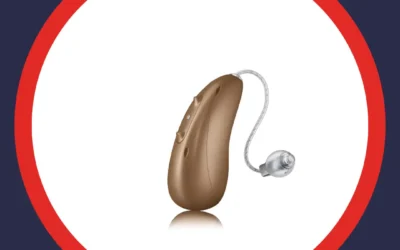
Updated September 2026
TL;DR: Hearing aids for sale look interchangeable online and behave very differently in an ear. The specs worth comparing are processing in noise, connectivity, battery and build. The things that decide your outcome, a hearing test and a verified fitting, do not appear in any listing.
Shopping for hearing aids for sale is where most people start, and it is a reasonable place to start. It is a bad place to finish. Prescription devices are programmed to a specific hearing loss, which means the same model can be excellent for one person and useless for another. This page covers what is comparable across the brands we fit, and what only an appointment settles.
Start With a Hearing Test, Not a Shopping List
A hearing test produces an audiogram, and the audiogram rules devices in or out before price or brand enters the conversation. It shows three things a listing cannot.
- Degree of loss. Mild, moderate, severe or profound. Most current receiver-in-canal models are fitted mild to severe, so a profound loss narrows the field immediately.
- Shape of loss. High-frequency loss and flat loss call for different fittings from the same device.
- Whether both ears match. One-sided hearing points to a CROS device, which is a different product entirely.
About 28.8 million U.S. adults could benefit from hearing aids, according to NIDCD research, and a large share of them have never had a test. Buying before testing is how people end up with a device that was never going to fit their loss.
The Hearing Aids for Sale We Fit Today
These are the current lines from the five brands we carry. Treat this as a map of options rather than a ranking.
| Brand and line | What it leads with | Best if you |
|---|---|---|
| Phonak Audéo EON Sphere | Two chips, one dedicated to speech in noise | Lose conversations in restaurants |
| Phonak Audéo EON R | Universal Bluetooth, CROS pairing at the 90 tier | Hear from one side, or want connectivity |
| ReSound Sensia | Neural noise reduction in a small microRIE shell | Want natural sound in a discreet device |
| Starkey Edge AI | Health and activity tracking built in | Want wellness features alongside hearing |
| Unitron | Comfortable fit across flexible technology levels | Want to step up or down without changing device |
Two of those lines changed in August 2026. Phonak replaced Infinio with the EON platform, and ReSound replaced Vivia with Sensia, so anything you read from before then is describing a previous generation.
Which Specs Matter, and Which Do Not
Listings lead with numbers, and the numbers are not equally useful. Here is what to weigh.

| Spec | How much it matters |
|---|---|
| Processing in noise | The most, by a distance. It is the complaint that sends people back to the clinic |
| Battery hours | A lot if you stream, less otherwise. Current models run 24 to 51 hours per charge |
| Auracast readiness | Growing. Venues are adding it, and older platforms will not receive it |
| IP rating | Real. IP68 covers rain, sweat and dust, which is what ends most hearing aids |
| Fine-tuning channels | Less than the marketing suggests. Past a point it gives your provider control, not you audible gain |
| Telecoil | Only if you use looped venues. Several current models do not list one |
Notice that four of those six are things you can weigh yourself before an appointment, which is exactly what makes the research worth doing.
What a Hearing Aids for Sale Listing Leaves Out
Four things separate a hearing aid you bought from a hearing aid that works, and none of them is in the product description.
- Programming. A prescription device arrives unprogrammed. Someone has to set it to your audiogram, and that is not a formality.
- Verification. Real ear measurement is available at many locations, and it confirms what the device is doing in your ear instead of what the software predicted.
- Whether it is unlocked. A locked device can only be adjusted by whoever sold it. Hearing aids fitted with us are unlocked.
- Follow-up. First fit is never final. Most of the improvement happens in the visits afterward.
Prescription and over-the-counter devices are also different categories with different candidates, and the hearing loss basics page is a good place to sort out which conversation you are in.
Where People Buy Hearing Aids for Sale
The same device can be sold three different ways, and what comes with it changes more than the device does.

| Where | What usually comes with it | What to check |
|---|---|---|
| Independent clinic | Hearing test, fitting, follow-up with the same provider | Whether the devices are unlocked |
| Big-box or membership retailer | Fitting, with service through that retailer | Whether service transfers if you move |
| Online, over the counter | Self-fitting, no test required | Whether your loss is in the range these devices are built for |
None of those is wrong for everybody. They suit different situations, and knowing which one you are in makes the comparison honest rather than confusing.
What Changes as You Move Up the Tiers
Every line we carry runs several technology levels on the same chip and the same shell. Moving up does not buy a different device, it switches on more of what the device can already do.
- More automatic programs. The device recognizes and adapts to more listening situations without you touching it.
- More noise processing. This is where the money goes, and it is what people in busy environments notice first.
- Finer control for your provider. More fine-tuning channels mean more precise adjustments at follow-up.
- The same connectivity. Bluetooth, streaming and Auracast readiness generally do not change by tier on the current platforms.
That last point saves people money more often than any other line on this page. If connectivity is what you want, you may not need the top tier to get it. Options across price tiers exist for exactly this reason, and cost comes up in every first appointment, where your provider will go through your options before you decide anything.
Questions to Ask Anyone Selling You a Hearing Aid
These five work on us and on anybody else, and the answers tell you more than any comparison chart.
- Will you run a hearing test first, and can I see the audiogram?
- Do you verify the fitting with real ear measurement?
- Are these devices unlocked?
- What happens if they are not right for me?
- Who adjusts them in six months, and what does that cost?
A seller of hearing aids for sale who answers all five without hedging is worth more than a discount. Our hearing care services page sets out how we handle each one.
Buying Hearing Aids from American Hearing + Audiology
Buying hearing aids well is less about finding the right listing than about getting the right fitting on a device that suits your loss. Our providers carry five premium brands and recommend across all of them, so what you leave with reflects your hearing rather than our inventory. Options run from entry level through premium flagship, and using your insurance is often part of the picture, because we are in network with many major plans.
What comes with that:
- A 7-day trial lets you hear the difference before you commit.
- Real ear measurement is available at many locations.
- Hearing aids fitted with us are unlocked, so they can be serviced elsewhere if you move.
- We can check your benefits before you decide anything.
- Locally owned and operated means the person who fits you is the person you see at follow-up, and what our patients say is the fairest test of that.
Hearing better starts with one conversation. Book a free hearing screening and find a clinic near you.
Hearing Aids for Sale, Answered
Can I buy hearing aids for sale online without a hearing test?
Over-the-counter devices can be bought without one, and prescription hearing aids are fitted to an audiogram. At American Hearing + Audiology we start with a free hearing screening, because a device programmed to the wrong loss will disappoint you regardless of what it cost.
What is the difference between prescription and over-the-counter hearing aids?
Prescription devices are programmed by a provider to your specific hearing loss and adjusted over follow-up visits. Over-the-counter devices are self-fitted and aimed at perceived mild to moderate loss. They are different products for different candidates rather than cheap and expensive versions of the same thing.
How long do hearing aids last?
Several years of good service is typical with regular cleaning and professional maintenance, and moisture, earwax and daily handling matter more than brand does. Warranty coverage comes from the manufacturer and varies by model, so your provider will go through what your hearing aids include.
Do I need the most expensive hearing aid on the list?
Not usually. Higher tiers switch on more automatic programs and more noise processing, so someone who eats out several times a week tends to hear the difference and someone in quiet rooms often does not. Say where you struggle at your appointment and our providers will match the tier to it.
Can I try hearing aids before buying them?
Yes. A 7-day trial lets you hear the difference before you commit, and it applies to every brand and model we carry. If the hearing aids are not right for you, bring them back within the trial and your provider will talk through your options.
Talk with a hearing care provider who listens, and find a clinic near you.