That muffled, full sensation in your ear is hard to ignore. Whether it hit you after a stuffy cold or built up slowly over time, a clogged ear affects how you hear, think, and communicate. This guide walks you through how to unclog your ear safely, what’s actually causing the blockage, and when it’s time to get professional help.
Why Does Your Ear Feel Blocked?
Not all blocked ears have the same cause. Identifying the source helps you choose the right remedy fast.
The two most common culprits for adults are earwax buildup and congestion from sinus pressure. Both create that same maddening sensation of fullness or muffled sound, but they respond to different treatments.
Earwax Buildup
Your ears produce cerumen (earwax) naturally. It protects the ear canal from dust, debris, and bacteria. In most people, wax migrates out on its own. Some people produce wax faster than it exits, and that excess wax compacts against the eardrum. Cotton swabs make this worse by pushing wax deeper. The result is a muffled hearing sensation that can worsen gradually over days or weeks.
Signs your blockage is earwax:
- Gradual onset with no illness or congestion
- Feeling of fullness or pressure in one ear
- Muffled or reduced hearing in that ear
- Mild ringing or strange ear sounds
- No pain, fever, or nasal symptoms

Sinus Congestion and Eustachian Tube Dysfunction
Your Eustachian tube connects the middle ear to the back of your throat. It equalizes pressure between your ear and the outside world. Colds, allergies, and sinus infections cause inflammation that narrows or blocks this tube. When it cannot open properly, pressure builds in the middle ear.
Signs your blockage stems from congestion:
- Appeared during or after a cold, sinus infection, or allergy flare
- Affects one or both ears
- Accompanied by nasal congestion, sinus pressure, or a sore throat
- May pop briefly and then return
- Worse when lying down or after blowing your nose
How to Unclog Your Ear at Home
Most blocked ears respond well to simple home treatments. Match your approach to the cause.
For Earwax Buildup
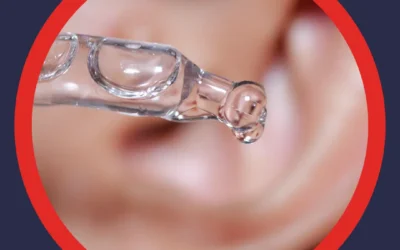
Softening drops. Over-the-counter eardrops are your first line of defense. A systematic review published in the British Journal of General Practice found that both water-based and oil-based preparations effectively soften and help clear earwax. Common options include mineral oil, baby oil, hydrogen peroxide (3% solution), and carbamide peroxide drops. Tilt your head, add a few drops, and let them sit for 5 to 10 minutes. Then tilt your head the other way to drain.
Warm water irrigation. After softening drops, gentle warm water irrigation can flush loosened wax. Use a rubber bulb syringe with body-temperature water. Tilt your head, gently squirt water into the canal, then let it drain. Never use cold or hot water. Temperature extremes cause dizziness.
Olive oil. This traditional remedy has research support. Warm a small amount to body temperature and place two to three drops in the affected ear. Let it sit for several minutes before draining. Consistent use over several days works better than a single application.
These softening methods work best with daily use over three to five days. A single treatment rarely clears significant buildup entirely.
For Sinus Pressure and Eustachian Tube Dysfunction
The Valsalva maneuver. Close your mouth, pinch your nostrils shut, and gently exhale through your nose. This creates pressure that pushes the Eustachian tube open. Do this gently. Forcing too hard risks ear damage.
Swallowing and yawning. Both actions activate the muscles that open the Eustachian tube. Chewing gum or swallowing repeatedly on an airplane accomplishes the same thing. This is why ears pop during takeoff and landing.
Steam inhalation. Leaning over a bowl of hot water with a towel over your head for 10 to 15 minutes can reduce sinus congestion and relieve pressure. Adding a few drops of eucalyptus oil may help open nasal passages further.
Nasal saline rinse. Flushing congestion from the nasal passages reduces pressure on the Eustachian tube. Use a neti pot or saline spray twice daily during a sinus flare.
Decongestants. Over-the-counter oral or nasal decongestants reduce swelling in the nasal passages and Eustachian tube lining. These work best for short-term relief during a cold or allergy episode.
Can Hydrogen Peroxide Unblock Ears?
Yes, with proper use. Hydrogen peroxide (3% solution) creates a bubbling action that loosens cerumen. Tilt your head, add three to five drops, and let it fizz for five minutes. Then tilt the other direction to drain. The systematic review referenced above found hydrogen peroxide to be an effective water-based earwax softener. It works best for mild to moderate wax accumulation, not impacted blockages. Do not use hydrogen peroxide if you have a perforated eardrum or ear pain.
How to Massage Earwax Out
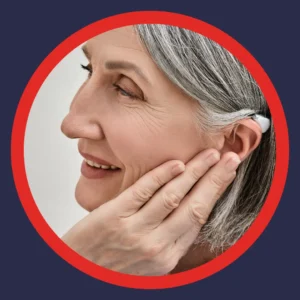
Gentle ear massage can help mobilize softened wax after using eardrops. Here is the technique:
- Apply softening drops and wait five to ten minutes.
- Gently pull the outer ear back and upward to straighten the ear canal.
- Use small circular motions to massage just outside the ear canal opening.
- Tilt your head to the affected side and let wax drain naturally.
- Wipe the outer ear with a clean cloth. Never insert anything into the canal.
This technique works alongside softening drops, not instead of them.
Home Remedy vs. Professional Care: How to Unclog Your Ear Effectively
Use this table to guide your next step:
| Situation | Recommended Action |
|---|---|
| Mild fullness, no pain, gradual onset | Try eardrops + warm water irrigation at home |
| Blockage after a cold or allergy flare | Steam, Valsalva maneuver, saline rinse |
| Wax present, no relief after 5 days of drops | See a hearing care provider for professional removal |
| Ear pain, drainage, or fever | See a provider promptly |
| Sudden hearing loss in one ear | See a provider same day |
| History of eardrum perforation or ear surgery | Skip home irrigation. See a provider first |
| Ringing, dizziness, or vertigo with blockage | See a provider soon |
| Recurring blockage (more than twice a year) | Schedule a hearing evaluation |
If home remedies haven’t resolved your blockage within a week, a professional ear wax removal appointment is the smart next move. Providers use safe irrigation, microsuction, or manual removal tools that reach wax you simply cannot address at home.
What Not to Do When Your Ear Is Clogged
Knowing what to avoid saves you from making the problem worse.
- Never insert cotton swabs into the ear canal. They compact wax rather than remove it.
- Avoid ear candles. Research does not support their effectiveness, and they risk burns and wax deposits from the candle itself.
- Do not use sharp objects. Bobby pins, pen caps, or fingernails in the ear canal risk eardrum perforation.
- Skip irrigation if you have ear pain or drainage. These symptoms suggest a possible infection or eardrum issue that needs evaluation first.
How Long Does a Blocked Ear Last?
Duration depends on the cause. Congestion-related blockages often resolve within one to two weeks as the underlying illness clears. Earwax blockages persist until the wax softens enough to migrate out or until someone removes it. Without any intervention, wax rarely clears on its own once impacted.
Most people see improvement from earwax softening drops within three to five days of consistent use. If your ear remains blocked after a week of home treatment, schedule a professional evaluation.
When One Ear Feels Blocked
Single-ear blockages are extremely common. Earwax buildup frequently affects one ear more than the other. Sinus congestion can block one Eustachian tube while leaving the other open. Understanding what healthy hearing should feel like makes it easier to notice when something is off.
A single-ear blockage that persists longer than two weeks, or that comes with pain, discharge, or sudden hearing reduction, deserves professional attention. Persistent one-sided muffled hearing warrants a hearing evaluation to rule out other causes.

What Happens If Your Ear Won’t Unblock?
Some blockages do not respond to home treatment. Deeply impacted wax, Eustachian tube dysfunction from chronic allergies, a perforated eardrum, or an ear infection all require professional care. Ignoring a persistent blockage can affect your hearing long-term.
If you got water stuck in your ear and it hasn’t resolved, visit our guide on how to get water out of your ear for targeted steps.
A hearing care services appointment gives you access to professional ear cleaning tools, ear canal visualization, and a complete hearing assessment if needed. Providers can identify whether the blockage is wax, fluid, pressure, or something that needs medical referral.
Trusted Hearing Care, Near You
At American Hearing + Audiology, we know a clogged ear is more than an annoyance. It affects how you hear conversations, enjoy time with family, and engage with the world. Our hearing care providers offer professional ear cleaning, comprehensive hearing evaluations, and personalized care that home remedies simply cannot match.
We work in-network with all major insurance carriers, including Blue Cross Blue Shield, Aetna, and UnitedHealthcare. Our free hearing screenings are covered by most medical insurance, including Medicare. We carry top brands, offer remote care options, and our locally owned clinics serve communities across Kansas City, Lincoln, Omaha, Little Rock, Memphis, and Tulsa.
Ready to hear clearly again? Find a clinic near you and schedule your visit today.
Your How to Unclog Your Ear Questions Answered
How do I open my blocked ear fast? The fastest approach depends on the cause. Congestion responds well to the Valsalva maneuver or a decongestant. Wax requires softening first, which takes time. Knowing which cause you are dealing with prevents wasted effort.
Why does my one ear feel blocked? One-sided blockages often point to earwax, since wax tends to build up asymmetrically. Other causes include a small foreign object, fluid behind the eardrum, or a localized Eustachian tube issue. If the blockage comes with any hearing changes, a professional evaluation rules out anything more serious.
What happens if your ears won’t unblock? Persistent blockages sometimes indicate fluid in the middle ear, a sinus or ear infection, Eustachian tube dysfunction, or rarely, a more complex ear condition. Left untreated, chronic blockages can affect long-term hearing health. A hearing care provider can pinpoint the cause and recommend the right next step.
How long does a blocked ear last? Illness-related blockages typically clear as your symptoms resolve, often within one to two weeks. Earwax blockages with consistent home treatment usually improve in three to five days. Any blockage lasting longer than two weeks deserves professional attention.
Can a blocked ear affect my hearing permanently? In most cases, no. Temporary blockages from wax or congestion resolve without lasting damage. Repeated or untreated blockages, however, can irritate the ear canal or, in rare cases, contribute to long-term hearing changes. Early treatment protects your hearing over time.
Is it normal for my ear to feel full after flying? Yes. Rapid altitude changes stress the Eustachian tube and create temporary pressure imbalances. Swallowing, yawning, or chewing gum during descent usually resolves it. If the fullness lasts more than a few days after your flight, see a hearing care provider to check for fluid or pressure buildup.
Should I see a provider if I can unclog my ear at home? If home remedies work and the problem does not recur, a visit is not always urgent. However, if you experience recurring blockages more than twice a year, it is worth scheduling a free hearing screening to understand what is driving the pattern and protect your long-term hearing health.