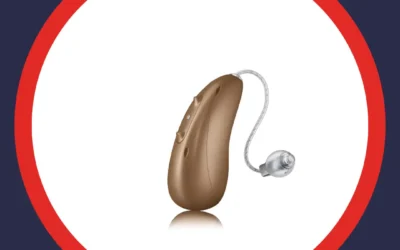
TL;DR: Hyperacusis makes ordinary sounds feel painfully loud, even at safe volumes. Many people notice it alongside ringing in the ears. No approach erases it, so good care aims at comfort, tolerance and daily function.
A running dishwasher should not hurt. For some people it does. Hyperacusis means everyday sound feels far louder than it should. Many people notice it next to ringing, one of several types of tinnitus.

What Hyperacusis Feels Like Day to Day
Descriptions vary a lot, and they rarely match what others in the room notice. Patients bring us the same handful of experiences.
- Restaurant clatter turns sharp enough to end the meal early.
- Running water sounds harsh, tinny and much too close.
- A car door closing causes a real wince.
- Group conversation gets tiring within a few minutes.
- Busy rooms leave a full, pressured feeling behind.
- Sudden sounds startle far more than they used to.
Normal results on a hearing chart do not rule any of that out. Sound tolerance and hearing sensitivity work as two separate things. One shows up on a chart. The other shows up in a grocery store.
Two Patterns Worth Telling Apart
Not every form of sound sensitivity behaves the same way. One recognized nonprofit describes two distinct patterns in a published overview.
|
Pattern |
What people describe |
Why the difference matters |
|---|---|---|
|
Loudness pattern |
Fullness, pressure, dullness, headache |
Sound therapy often helps this pattern |
|
Pain pattern (noxacusis) |
Burning, stabbing or jabbing pain |
Sound exposure can make it worse |
Telling those two apart shapes every decision that follows. A plan that suits one pattern can set the other back. So we ask about burning and stabbing pain early.
Hyperacusis vs Misophonia vs Recruitment vs Phonophobia
People use these four words as if they mean one thing. They do not. Getting the distinction right changes what kind of help fits. A clinical review groups them as separate sound tolerance conditions.
|
Condition |
Typical trigger |
What the person experiences |
Hearing loss involved |
|---|---|---|---|
|
Hyperacusis |
Ordinary sound at a safe volume |
Physical discomfort, pressure or pain |
Sometimes |
|
Misophonia |
Specific sounds, often chewing or tapping |
Strong emotional reaction, anger or distress |
Usually not |
|
Loudness recruitment |
Volume rising above the softest audible level |
Soft speech missed, loud speech harsh |
Yes, cochlear |
|
Phonophobia |
Expecting a sound before it happens |
Fear, dread and avoidance |
Usually not |
Recruitment deserves a closer look, because clinics see it constantly. It travels with cochlear hearing loss, and it explains a familiar complaint. Soft voices vanish, while loud voices blare. That pattern responds to careful hearing aid programming. It becomes a fitting problem instead of a tolerance problem. Misophonia sits at the other end of the spectrum. Meaning drives it, not volume. Phonophobia centers on the dread of a sound, not the sound itself.

What Leads to Hyperacusis
Nobody can point to a single cause, and honest content should say so plainly. Providers do see recurring associations, and the list below covers common ones.
- A single intense noise event, such as a blast or gunshot.
- Years of loud work or hobby noise without hearing protection.
- Head injury or concussion.
- Certain ear surgeries and middle ear conditions.
- Bell’s palsy and some facial nerve conditions.
- Migraine, which often pairs sound sensitivity with light sensitivity.
- Lyme disease and a few autoimmune conditions.
- Some medications, worth a review with your prescriber.
Any one of these can turn up in a patient history. None of them proves a cause alone. A provider weighs the whole picture, including timing. Two people with the same history can report very different sensitivity. That variation is normal, and it shapes how we plan care.
Common Myths About Hyperacusis
Bad information spreads fast on this topic. Sorting the myths out early saves people months of frustration.
|
What people hear |
Our clinical experience |
|---|---|
|
Your hearing must be too good |
Tolerance drops, sharpness does not rise |
|
All day earplugs are the answer |
Constant protection often raises sensitivity |
|
It is all in your head |
People report real physical discomfort |
|
Nothing helps, so skip the visit |
Testing opens several management options |
Each myth pushes people toward avoidance, and avoidance narrows life fast. Accurate expectations point somewhere more useful. Our providers spend real time on this part of the visit.
Why Hyperacusis and Tinnitus Often Travel Together
Sound sensitivity and ringing overlap far more than most people expect. The auditory system turns up its internal gain when input drops. That shift can touch both experiences at once. Our tinnitus library covers the overlap from several angles.
- Ringing after a loud event often brings sensitivity along with it.
- Our post on ears ringing after a concert covers that pattern.
- Some people manage both with one set of tools.
- Read ways to address tinnitus for the options we use most.
- Devices with built in sound generators help certain patients.
- See what the research says about hearing aids and ringing.
Sorting out which experience bothers you most gives a provider a starting point. One visit can cover both, which saves you a second trip.
How a Hearing Care Provider Evaluates Sound Sensitivity
An evaluation looks for pattern and severity, not a single number. Most appointments follow a recognizable sequence.
- A detailed history covering triggers, timing and setting.
- Threshold testing in each ear, one frequency at a time.
- Loudness discomfort measures, which record where sound turns uncomfortable.
- Questionnaires that score how much daily life takes a hit.
- A conversation about goals, work demands and home noise.
That sequence gives us numbers to compare against later. Nothing in it requires a referral first. Our guide to hearing evaluation services walks through the visit. The questions to ask post helps you prepare for it.
What Loudness Discomfort Testing Involves
Providers need a number, not only a description. Loudness discomfort testing supplies one.
- You hear tones and speech at slowly rising levels.
- Raise a hand the moment sound turns uncomfortable.
- Providers record that level at each frequency tested.
- Results then guide sound therapy levels and fitting targets.
Nothing about the test hurts, and you control every step. Ask us to walk through your numbers before you leave.
Management Options for Hyperacusis
Care here aims at comfort and function, never at a promise. Options usually combine, and a provider adjusts the mix over time. A few principles guide every plan we build.
- Start below the level that already feels uncomfortable.
- Change one variable at a time, then reassess.
- Track comfort with numbers, not memory alone.
- Keep hearing protection for loud places only.
- Expect progress in small steps rather than leaps.
Those principles hold across each approach below.
Sound Therapy and Sound Enrichment
Quiet rooms tend to make sensitivity feel sharper. Gentle background sound gives the auditory system something steady to work with.
- Low level broadband sound from a small device or speaker.
- Fans, air purifiers and water features as simple household options.
- Sound apps with adjustable levels, like those in our apps for tinnitus relief post.
- Wearable sound generators that a hearing care provider programs.
Levels matter more than the sound source. A provider starts low and moves slowly, especially with the pain pattern.
Why Wearing Earplugs All Day Can Backfire
Protection makes sense in loud places. Constant protection in quiet places sends the system the wrong signal.
- Use hearing protection for concerts, power tools, mowers and gunfire.
- Skip it for kitchen noise, conversation and normal errands.
- Choose filtered plugs over foam when speech clarity matters.
- Keep a pair handy so worry never drives the choice.
Our posts on hearing safety and effective protection tips cover those situations. Balance beats blanket avoidance.
Support for the Stress That Comes With It
Sound sensitivity wears on mood, sleep and social plans. Addressing that side improves how the rest of the plan lands.
- Counseling approaches that target avoidance patterns and worry.
- Relaxation and breathing practice before predictably loud events.
- Sleep routines that include steady low level sound.
- Honest conversations with family about what helps you.
None of this removes hyperacusis, and we never suggest otherwise. It does tend to make the days more manageable.
How Sound Sensitivity Changes the Hearing Aid Conversation
Sound sensitivity and hearing loss often show up together. Fitting our hearing aids in that situation calls for a lighter touch.
- Providers start gain well below a standard prescription target.
- Compression settings soften sudden loud peaks in a room.
- Built in sound generators add gentle background sound all day.
- Follow up visits raise levels slowly, on your schedule.
- Remote care handles small adjustments without another drive.
Patience does the heavy lifting here. Rushing the gain almost always backfires. Most people need several visits before levels feel right.

Everyday Changes That Take the Edge Off
Small choices add up, and they cost nothing to try. Patients tell us these adjustments help most.
- Ask for a booth or corner table at restaurants.
- Run the dishwasher and vacuum at planned times.
- Add rugs, curtains and cushions to hard surfaced rooms.
- Sit away from speakers at church, theaters and family events.
- Tell coworkers what you need before a noisy shift starts.
- Build quiet recovery time into a busy day.
Nobody manages all six at once. Pick two, and watch what changes. Then add another once the first two feel routine.
When to Bring Sound Sensitivity to a Provider
Waiting rarely makes the picture clearer. A few signals point toward scheduling an evaluation.
- Everyday sound starts changing where you go.
- Discomfort follows you home and lingers for hours.
- Ringing shows up alongside the sensitivity.
- Sleep or mood slips because of noise worry.
- One ear reacts differently from the other.
- Loud rooms leave you drained for the whole day.
Any one of those makes an evaluation worthwhile. Our post on strange sounds your ears make covers related symptoms.
Talk With a Hearing Care Provider Who Listens
Sound sensitivity deserves more than five rushed minutes. Locally owned and operated, our clinics take real time with you. Providers sort those four conditions apart before recommending anything. Five premium brands sit under one roof here: Phonak, ReSound, Starkey, Oticon and Unitron. Recommendations stay brand neutral as a result. Options span every budget, and our team helps verify your hearing benefits. Many of our locations offer real ear measurement, which confirms a fitting performs correctly. Every device comes with a 7 day free trial. Remote care and unlocked programming come standard.
A few small steps make that first visit far more productive.
- Bring your sound triggers, written down, to the first visit.
- Ask about loudness discomfort testing during your evaluation.
- Mention any burning or stabbing pain you notice.
- Confirm your fitting includes real ear measurement.
- Review your insurance benefits before you commit to anything.
Ready to make everyday sound easier to live with? Find a clinic near you and start with a conversation, not a sales pitch.
Your Hyperacusis Questions Answered
Is hyperacusis the same thing as hearing loss?
No, and the two can appear together or apart. Hearing loss describes what you cannot hear well. Reduced tolerance describes what you cannot bear comfortably. At American Hearing + Audiology, our providers test both sides of the picture.
Can sound sensitivity affect only one ear?
Yes, one sided sound sensitivity happens fairly often. Some people report a clear difference between ears at equal volume. Our providers measure each ear separately for that reason. A one sided pattern also raises questions about ear health history.
Does sound sensitivity ever get easier?
Experiences differ widely, and honest answers avoid promises. Some people report calmer days once management takes hold. Others live with steady sensitivity for years. At American Hearing + Audiology, our providers track your comfort over time. We do not predict an outcome.
Can children have sound sensitivity like this?
Yes, and parents often notice it before anyone else does. Covering ears at parties or in gyms counts as a real signal. A hearing care provider can evaluate a child and check ear health first.
Will insurance cover a hearing evaluation for hyperacusis?
Coverage varies by plan, so verification matters before your visit. Our patient care coordinators handle that call for you. American Hearing + Audiology participates in major hearing benefit networks. We also explain what your plan includes. Find a clinic near you to get your benefits checked.