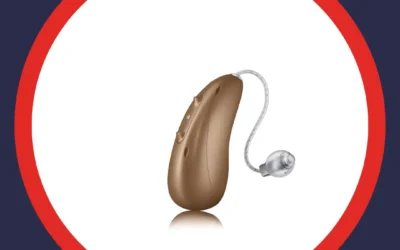
TL;DR: Unlocked hearing aids can be adjusted by any provider who runs the manufacturer’s fitting software, and locked ones can only be adjusted where you bought them. The difference costs you nothing on the day of purchase and everything the day you move, travel, or change clinics. Ask one question before you buy: can another provider program these.
Nobody asks whether they are buying unlocked hearing aids. You ask about price, about batteries, about how they will sound in a restaurant. Two years later you move to another state, walk into a clinic, and find out nobody there can touch your devices. That conversation is the one unlocked hearing aids exist to prevent, and the difference is worth understanding before you sign anything. Our hearing care services start from that premise.
What Unlocked Hearing Aids Are
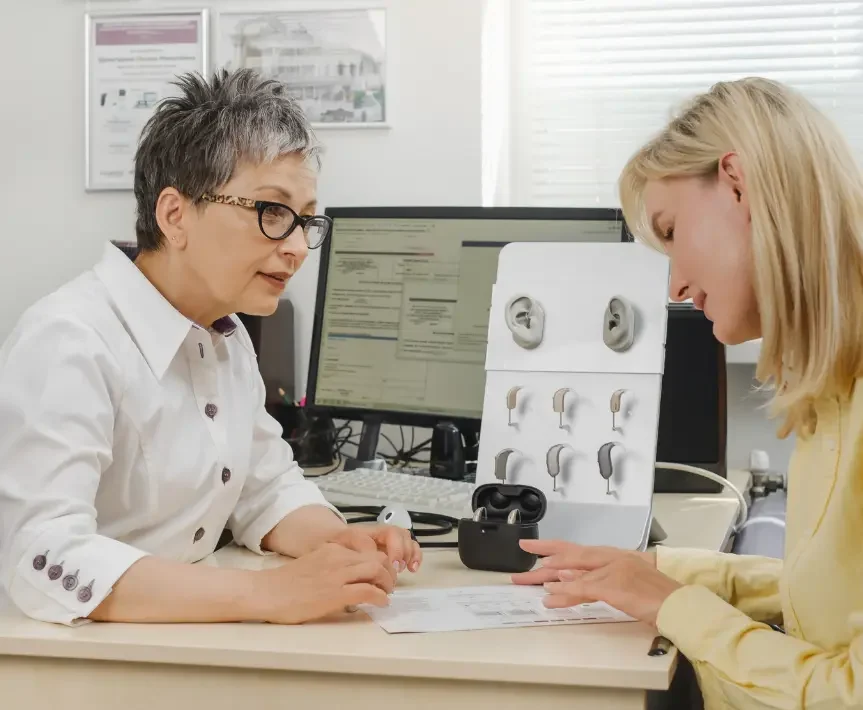
Unlocked hearing aids are devices any qualified provider can open and adjust, using the same fitting software the manufacturer gives every clinic that carries the brand. Locked hearing aids are the opposite. Only the seller, or a clinic in the seller’s own chain, can change how they sound.
The hearing aid itself is identical hardware either way. What changes is who holds the key.
That distinction sits underneath a complaint people voice constantly without having a name for it: the sense that a clinic has steered them, that the practice only knows one brand, that they are somehow stuck. Usually they are describing a device that only one company can program.
How a Hearing Aid Gets Locked
A hearing aid is not adjusted with a dial. Your provider connects it to a computer running the manufacturer’s fitting software, and that software reads the current settings, compares them against your prescription, and writes new ones to the device. Phonak has its software, ReSound has its own, and so does every other manufacturer. A clinic that carries a brand has access to that brand’s software as a condition of carrying it. So far, nothing is locked: any clinic carrying Phonak can open any Phonak device.
Locking breaks that chain in one of two ways. The first is private labeling. A large retailer or franchise commissions a manufacturer to build its devices under the retailer’s own name, and software that retailer controls is the only software that recognizes the result. Inside, the hardware may be a well-known manufacturer’s. On the outside the badge is not, so no independent clinic holds software that will talk to it. The second way is simpler. A standard manufacturer model leaves the office with a programming restriction the dispenser set before you walked out.
Either way, the result for you is the same. The ability to adjust your hearing aids belongs to a company rather than to you.
Three things follow from that:
- Adjustments require going back to the original seller, however far away you have moved, which turns a twenty-minute tweak into a trip.
- Your next provider has to recommend a new purchase rather than a refit, because working with what you own is not an option they have.
- The trade-in or resale value of the devices drops, since a buyer inherits the same restriction.
None of that shows up in the price you paid. It shows up later.
What Locking Costs You in Real Life
The cost of a locked device shows up in the ordinary events of the years after you buy. People move, spend winters elsewhere, change plans, and outlive the clinic that sold them.
| Situation | Unlocked hearing aids | Locked hearing aids |
|---|---|---|
| You move to another state | ✔ Any clinic carrying the brand can adjust them | Back to the original seller, or buy again |
| You spend three months away each winter | ✔ A local provider can handle a problem | The problem waits until you are home |
| Your hearing changes | ✔ Refit to your new prescription | Refit only where you bought them |
| The clinic that sold them closes | ✔ Service continues anywhere in the brand’s network | Depends entirely on the chain |
| You want a second opinion | ✔ Another provider can read the current settings | Nobody else can see how they are programmed |
Read that column on the right as a set of appointments you cannot get, rather than as a feature you are missing.

How to Find Out If a Hearing Aid Is Locked Before You Buy
Ask the question directly, before any money changes hands, and ask it in plain words. A provider who sells unlocked hearing aids will answer in one sentence.
Four questions settle it:
- Can another provider program these if I move? A yes means unlocked, and a hedge means the answer is no.
- Is this a manufacturer model or a store brand? A model you can look up on the manufacturer’s own site is the stronger position.
- Who holds the programming access after I take them home? The honest answer names the manufacturer’s standard software rather than a proprietary system.
- What happens to these if I change insurance plans next year? This is the one that catches benefit-driven purchases, which is where most locking turns up.
Write the answers down. A clinic that will not put an answer in writing has given you one. If you want to put these to a provider in person, find a clinic near you and bring the list.
Where Your Insurance Benefit Fits
Benefit plans are where most people meet a locked device without recognizing it. Hearing benefits now sit on nearly every Medicare Advantage plan: in 2026, KFF reports that 98 percent of individual plans offer some hearing benefit. Those benefits are administered through networks, and a network routes you to particular sellers and particular devices.
That is not a reason to skip your benefit. It is a reason to ask the lock question while you are using it, because plans change every year and the device you buy this year has to survive next year’s open enrollment. Using your insurance explains how the benefit side works, and we can check your benefits before you decide anything.
What to Do If You Already Own Locked Hearing Aids
Start with the provider who sold them, because they are the one who can adjust what you own. Being locked and feeling stuck are not the same thing, and one phone call separates them.
Three steps, in order:
- Call the seller and ask whether the device is locked and who else is able to program it. Get the model name while you have them.
- Look the model up on the manufacturer’s own website. A model that does not exist there is a private-label device, and that answers the question.
- Book a current hearing test either way, because your prescription has moved since that fitting and every option in front of you depends on knowing where your hearing sits now.
If the answer is that nobody else can touch them, you are not out of options, you are out of one option. That current test is useful whatever you end up doing with the devices in the drawer. Why hearing aid fitting is a big deal covers what a verified fitting involves, and understand real ear measurement covers how a provider confirms the aids are delivering what the prescription asks for.
Ask Before You Buy, Not After
Hearing better starts with one conversation, and the lock question belongs in it. Bring it to any provider you are considering, including us, and judge the answer.
American Hearing + Audiology fits unlocked hearing aids. Every device we fit can be adjusted by another qualified provider, which means the care you get here is a choice you keep making rather than one you are held to. We are locally owned and operated, and the care is in person at testing, at fitting and at follow-up. Our providers carry five premium brands and make brand-neutral recommendations, with options across price tiers. We are in network with many major plans and can check your benefits before you decide anything. Real ear measurement is available at many locations. Every brand we fit comes with a 7-day trial. Our hearing aids page covers the brands, ongoing hearing aid care covers what follow-up looks like, and you can meet our team before you book. Find a clinic near you and start with a free hearing screening.
Common Questions About Unlocked Hearing Aids
Are Unlocked Hearing Aids More Expensive?
Not by rule. Locking is a business decision about programming access rather than a feature that costs money to build, so an unlocked device and a locked one can sit at the same price and the same technology level. What differs is what you own afterward. At American Hearing + Audiology, every device we fit is unlocked, across options at every price tier.
Can a Locked Hearing Aid Be Unlocked Later?
Usually not, and you should assume not when you are deciding. A private-label model is a different product in the software’s eyes rather than a standard model with a setting flipped, so there is often nothing to undo. Ask the original seller directly, because they are the only ones who can give you a real answer about a device they sold.
How Do I Know Which Brand My Hearing Aids Are?
Look for a manufacturer name and a model name you can find on that manufacturer’s own website. A store brand with no independent presence online is a strong signal you have a private-label device. Your provider can also read the model from the device itself in a few seconds.
Does Buying Through an Insurance Benefit Mean Getting a Locked Device?
Not always, and the answer depends on the plan and the seller rather than on the benefit itself. The question is worth asking every time you use a hearing benefit, because the network decides which sellers you see. At American Hearing + Audiology, we are in network with many major plans and the devices stay unlocked either way.
Will Locked Hearing Aids Stop Working If I Change Clinics?
No. The devices keep working exactly as they are programmed today, and nothing switches off when you walk away from the seller. What stops is change: nobody else can raise the volume on the pitches you are missing, reprogram them after a hearing test, or set up a new program for church or the car. A hearing aid frozen at an old prescription is the real cost, and it arrives quietly rather than all at once.